Misr Elkheir News
Misr El Kheir Launches a Practical Guide for NGOs on Crisis, Risk, and Emergency Response
In a new step reflecting the growing strategic role of civil society in supporting the Egyptian state and local communities, Misr El Kheir Foundation, a member of the National Alliance for Civil Development Work, launched a practical implementation guide for non-governmental organizations (NGOs) to respond to crises, risks, and community emergencies.
The launch took place during an expanded roundtable discussion organized by Misr El Kheir under the title “The Role of Civil Society Organizations in Responding to Community Crises and Risks,” as part of the project “Strengthening the Roles of NGOs in Sustainable Development and Climate Action.”
Participation of Leading Crisis Management Experts
The roundtable brought together representatives from the Ministries of Social Solidarity, Local Development, and Planning, alongside leading experts in crisis and disaster management, civil society representatives, the National Planning Institute, and specialists in development, humanitarian response, and climate action.
NGOs as the First Line of Defense During Crises
Dr. Mohamed Mamdouh, Head of NGO Development at Misr El Kheir Foundation and Executive Director of the Arab Center for NGO Sustainability, stated that the foundation has developed a comprehensive methodology aimed at improving how NGOs and charitable organizations manage crises, risks, and community emergencies.
He explained that the roundtable was organized to assess the methodology’s suitability for local community needs and its practical applicability on the ground.
Mamdouh noted that communities today face a wide range of complex and rapidly evolving crises, requiring swift and effective intervention from civil society organizations. He pointed out that NGOs have traditionally intervened after crises occur, whereas the new methodology seeks to shift from a “reaction” approach to one based on “anticipation and prevention.”
Building Early Warning Systems
According to Mamdouh, the methodology focuses on establishing early warning systems within civil society organizations to identify social problems at their earliest stages before they develop into prolonged crises or complex societal challenges requiring substantial resources and interventions.
The methodology also includes training NGOs on mechanisms for early detection of community issues, analyzing behavioral patterns and initial indicators within local communities, and enabling timely intervention before problems escalate into large-scale crises.
He emphasized that this new approach would enhance the impact of civil society, improve the efficiency of development interventions, and achieve better outcomes with fewer resources. For example, issues such as school dropout rates can be identified and addressed early before leading to more serious problems such as child labor and child marriage.
From Development Partner to Crisis Responder
Dr. Mamdouh Abdullah stressed that the world is experiencing rapid changes and successive crises, making NGOs no longer merely development intermediaries during stable periods. Instead, during crises, they have become the “first line of defense” protecting the social fabric from fragmentation and collapse.
He added:
“When natural disasters strike, economic crises deepen, or health pandemics spread, society immediately turns to NGOs because they are closest to citizens and best positioned to understand and respond quickly to their needs.”
Supporting Sustainable Development and Climate Action
Mamdouh explained that the project “Strengthening the Roles of NGOs in Sustainable Development and Climate Action at the Local Level” aims to reinforce civil society’s role as a key partner in governance and sustainable development in Egypt.
He noted that organizing the roundtable is one of the project's implementation mechanisms, intended to promote institutional dialogue and exchange expertise on enhancing NGO readiness to address crises and development and climate-related challenges.
Institutional Flexibility as a Core Strength
Mamdouh highlighted that the true value of NGOs lies not only in their speed of response but also in their institutional flexibility—their ability to reorganize priorities, adapt programs, and redirect resources according to changing and unexpected circumstances.
He emphasized that institutional flexibility is no longer a luxury but a necessity, requiring an organizational culture based on risk anticipation, crisis management capacity building, and the development of sustainable emergency response mechanisms.
Organizations capable of absorbing societal shocks, supporting vulnerable groups, and transforming emergency interventions into opportunities for recovery and development are, he said, best positioned to achieve sustainability and build long-term public trust.
Challenges Facing Civil Society Organizations
The roundtable served as a strategic platform for in-depth discussions on strengthening institutional crisis-response systems within civil society organizations and transforming challenges into opportunities to build more resilient and sustainable communities.
Mamdouh pointed out that the increasing frequency of natural, economic, and health-related crises has exposed major challenges facing NGOs, including:
- Weak institutional preparedness.
- Lack of emergency plans.
- Limited coordination among government, civil society, and private-sector actors.
- Shortages of specialized personnel.
- Weak information systems and decision-support databases.
- Limited financial and technological resources.
- Absence of evaluation and learning mechanisms after crises.
- Insufficient participation of local communities in planning and response efforts.
These factors, he noted, reduce the effectiveness of interventions and slow response times, particularly affecting the most vulnerable populations.
Need for Proactive Strategies
Mamdouh stressed the importance of moving from temporary responses toward proactive strategies based on planning, partnership, and institutional integration.
He explained that the growing recurrence of crises at both local and regional levels underscores the need to enhance NGO performance in line with sustainable development requirements, strengthen collaboration across sectors, exchange expertise, and develop a shared vision for effective institutional response.
The roundtable aimed to:
- Strengthen NGOs’ capacity for rapid and effective crisis response.
- Analyze the current state of civil society responses.
- Identify institutional gaps.
- Review successful experiences and best practices.
- Develop practical and scalable response mechanisms.
- Foster partnerships among government, the private sector, and civil society.
- Align crisis-response efforts with the Sustainable Development Goals (SDGs).
Ministry of Social Solidarity: Civil Society Is Essential
Dr. Mohamed El-Okby, Assistant Minister of Social Solidarity, conveyed greetings from Minister Dr. Maya Morsy and emphasized the ministry’s strong interest in crisis management and the importance of utilizing the roundtable’s recommendations to improve crisis-response mechanisms.
He explained that society faces two types of crises:
- Sudden crises, such as the COVID-19 pandemic and the war in Gaza, which prompted rapid and extensive responses from Egyptian civil society.
- Prolonged crises, including poverty, low income levels, and quality-of-life challenges, which require sustained interventions through cash assistance, food support, economic empowerment, and livelihood improvement programs.
He affirmed that civil society has become an essential development partner alongside government and the private sector, noting that Egypt’s NGO sector is currently experiencing one of its strongest periods in terms of maturity, influence, and recognition both locally and internationally.
Importance of Partnerships and Networks
Dr. Mohamed El-Maghraby, Scientific Committee Member at the National Planning Institute and Strategic Planning Consultant to the Ministry of Social Solidarity, stressed the importance of preparing and equipping civil society organizations to deal with crises and disasters.
He highlighted the need to distinguish between emergency crises such as wars and natural disasters and long-term societal crises with deep and lasting impacts.
El-Maghraby emphasized the importance of partnerships among civil society, government institutions, and the private sector. While governments invest heavily in crisis-management systems and response planning, civil society organizations possess unique capabilities for direct engagement with citizens, making collaboration between the two sectors critical for improving response effectiveness and minimizing losses.
He also argued that crisis management should not be limited to sudden disasters but should encompass long-term social challenges such as poverty, school dropout rates, addiction, and child marriage.
Strengthening National Crisis Management Systems
Major General Ibrahim Othman Helal, former Deputy Secretary-General of the National Defense Council, stated that the roundtable supports national efforts to strengthen crisis and risk management systems and institutionalize partnerships between government bodies and NGOs.
He stressed the importance of continuously updating crisis-management methodologies across all phases—before, during, and after crises—and focusing on addressing root causes before problems escalate.
He also highlighted the value of learning from past experiences, utilizing previous response plans, and training civil society organizations in rapid containment measures, loss reduction strategies, and evaluations of strengths and weaknesses in crisis-response plans.
Comprehensive Understanding of Crises
Dr. Khaled Abdel Halim, former Governor of Qena, former advisor to the Ministry of Local Development, and Scientific Committee Member at the National Planning Institute, expressed his appreciation for participating in discussions on one of the most significant issues affecting the future of communities.
He noted that Egypt’s political leadership places great importance on crisis and disaster management, with ongoing directives to develop plans and strategies for dealing with all types of crises in full cooperation with civil society institutions.
He emphasized that crises should not be understood solely as accidents, floods, wars, or health emergencies but should also include long-term challenges such as poverty, addiction, health issues, and school dropout rates.
He further stressed the importance of developing detailed maps of crises and challenges across Egypt’s governorates, linking them to available resources and capacities, and prioritizing interventions based on each crisis’s societal impact.
National Crisis Control Network
Major General Sherif Zahran, Director of Crisis Management and the National Network Control Center at the Ministry of Local Development, explained that the ministry’s crisis-management and control center plays a pivotal role in supporting governorates and monitoring field conditions to ensure rapid responses to emergencies while protecting citizens and minimizing losses.
He stated that the National Network Control Center operates around the clock to monitor emergencies, analyze incoming data and information, and support timely decision-making and effective crisis management.
Zahran added that the Ministry of Local Development’s National Network Control Center extends across all 27 governorates with 100% operational readiness, serving as a key communication link between the central government and local authorities. This contributes to greater integration among state institutions, faster emergency response, and more effective monitoring of national development projects throughout Egypt
Read more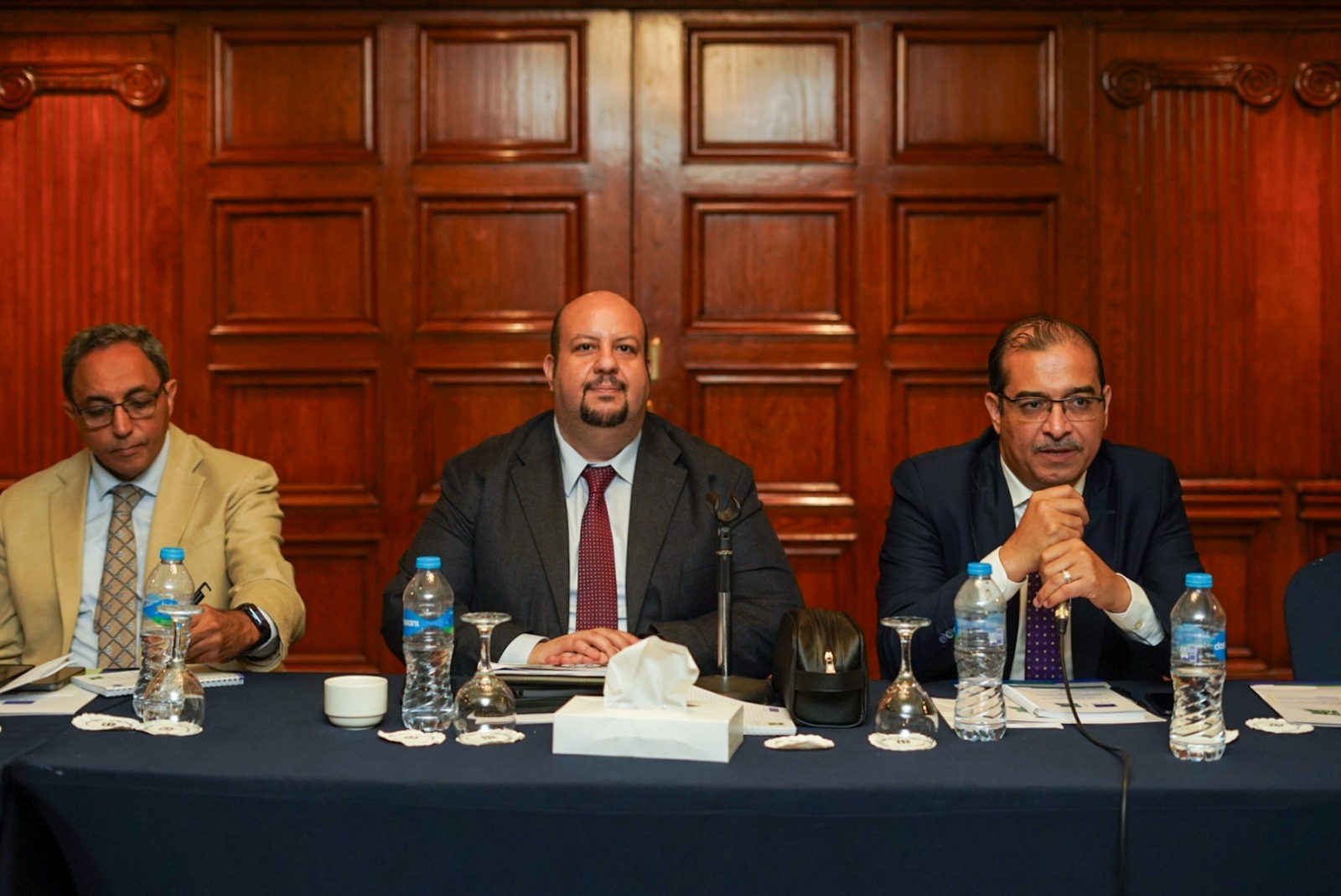
On The World Thalassemia Day: Launch of a Large-Scale Blood Donation Campaign to Save and Support Sick Children
As part of the celebration of World Thalassemia Day, Misr El Kheir Foundation participated in an event organized by the Egyptian Association for Thalassemia Patients at the Civil Education Center. The event was attended by a distinguished group of hematology specialists in Egypt, many families of children with blood disorders, and partner organizations and associations supporting thalassemia patients.
Misr El Kheir Foundation announced its continued leading role in supporting Egyptian children suffering from blood diseases, which are among the most serious illnesses threatening children's lives. This effort is being carried out in cooperation with numerous partners, including Abu El Reesh Children's Hospital.
Dr. Afaf El-Gohary, Head of the Health Sector at Misr El Kheir Foundation, stated that over the past 18 years, the foundation has delivered more than 133 million services across Egypt, including 14 million healthcare services. She emphasized that the foundation is a key supporter of children with blood disorders, particularly those treated at Abu El Reesh Children's Hospital.
She also revealed that the foundation dedicated its blood donation campaigns throughout the month of May specifically to thalassemia patients, saying: “We conduct blood donation campaigns throughout the year, but all campaigns during May are dedicated to you.” The foundation will continue supporting underprivileged children by helping save their lives and providing them with comprehensive treatment opportunities.
Dr. El-Gohary noted that the partnership with Abu El Reesh Hospital has been ongoing since 2012. Through this collaboration, the foundation has supported 100% of children at Abu El Reesh (El-Mounira) Hospital suffering from bone marrow failure, a critical medical condition requiring urgent and costly intervention. During this period, the foundation financed treatment for 51 children undergoing bone marrow transplants and continued to support them with medications and post-operative medical follow-up to ensure successful outcomes. She added: “We are proud that many of them have recovered, resumed lives that are much closer to normal, succeeded in their education, and integrated into society.”
Dr. Amal El-Beshlawy, Professor of Pediatric Hematology at the Faculty of Medicine, Cairo University, and Chairperson of the Egyptian Association of Friends of Thalassemia Patients, stressed that awareness can save entire families. She highlighted the importance of early screening and premarital testing, which are essential measures for identifying carriers of the genetic trait and preventing the birth of children with severe forms of the disease.
Dr. El-Beshlawy expressed special appreciation to the Misr El Kheir Foundation for its support of blood disease patients, whether by ensuring a continuous supply of blood or by providing necessary medications. She stated: “We consider Misr El Kheir Foundation a safe haven for children with thalassemia.” She added that premarital screening protects future generations, noting that thalassemia does not affect cognitive abilities or brain function, which is why many inspiring success stories emerge from these young patients.
She also warned of the growing number of thalassemia cases due to neglect of premarital screening. Studies have shown that the rate of disease transmission to newborns in Egypt has increased by 9%. In addition, approximately 1,500 cases of thalassemia are recorded annually per one million live births, largely due to insufficient public and medical awareness of the disease, as well as inadequate resources to cover the costs of medication, blood supplies, and other patient needs.
Read more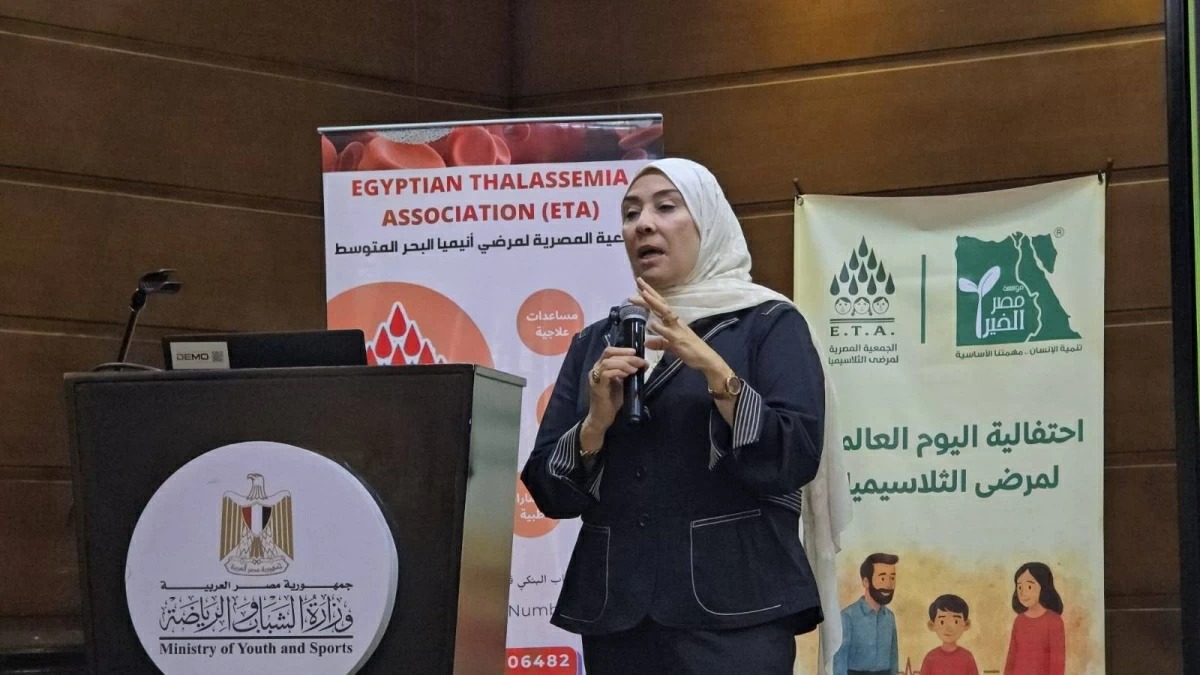
To support researchers and innovators, the Ministry of Agriculture sponsors the “Innovation for Sustainable Development” Conference
The organizing committee of the “Agricultural Innovation for Sustainable Development 2026” Conference and Competition, held under the umbrella of the “State of Agricultural Innovation” initiative, announced the names of the finalists in a step aimed at supporting innovative minds and strengthening the role of scientific research in developing the agricultural sector and achieving food security.
The competition is being held under the official patronage and support of Alaa Farouk, Minister of Agriculture and Land Reclamation, as part of the state’s efforts to transform scientific research and applied innovations into practical solutions that serve farmers and investors while addressing climate and environmental challenges.
The competition witnessed broad participation with support from the Misr El Kheir Foundation – Scientific Research Sector, the Sandy Soil Clay Injection Project, and in cooperation with the Ministry of Youth and Sports, along with the participation of several scientific and research institutions, including the Agricultural Research Center, the National Research Center, the City of Scientific Research and Technological Applications, in addition to a number of agriculture faculties at Egyptian universities.
The organizing committee confirmed that the projects were evaluated through five specialized judging panels consisting of leading scientists and experts from Egypt and the Arab world, according to international scientific standards aimed at selecting projects that are applicable and economically and developmentally feasible.
The competition saw strong rivalry among 180 contestants from various universities and research centers before the entries were administratively and technically filtered down to 35 finalists representing individuals and research teams.
The winners are scheduled to be announced during the “Innovation: From Idea to Application” conference, set to take place on July 11, 2026, at the Olympic Village in Maadi, in the presence of several companies and institutions supporting agricultural investment.
The innovations that reached the finals varied between producing alternative animal feed from agricultural waste, nano-ozone and nano-oxygen devices, vertical hydroponic farming technologies, water requirement measurement systems, as well as the development of natural biopesticides and modern technologies to increase agricultural productivity.
Dr. Ali Abdel Aziz, President of the Conference, stated that the competition represents the foundation for launching the “National Initiative for the State of Agricultural Innovation,” with the goal of supporting innovators and building an integrated system linking scientific research with the productive sector.
Meanwhile, Dr. Zakaria Fouad, Vice President of the Conference and Head of the Judging Committees, explained that the great diversity of submitted ideas reflects the rapid development taking place in Egypt’s agricultural technology sector.
For her part, Dr. Nagwa El-Sayed, representative of the Misr El Kheir Foundation, emphasized the importance of investing in scientific research as one of the most important tools for confronting climate change and achieving sustainable development.
The conference’s General Coordinator, Dr. Dina Ahmed Ali, concluded by emphasizing that the organizing committee will work on marketing the winning innovations and connecting them with relevant institutions and organizations, helping transform innovative ideas into projects that can be implemented on the ground.
Read more
Thursday: Free Medical Convoy in Al-Najahia Village, Qena
Qena Governorate announced the launch of a free medical convoy in Al-Najahia village, following to Nag Hammadi Center, in cooperation with the Misr El Kheir Foundation and Al-Shifa Hospital in Qena, and with support from Banque Misr Foundation for Community Development. The initiative aims to support women’s health and provide free medical services to residents.
In an official statement, the governorate explained that the convoy will be held at the village health unit on Thursday and Friday, May 14 and 15, 2026, with preparations underway to provide free medical examinations and treatment for citizens.
Qena Governorate called on the residents of Al-Najahia village and neighboring villages to benefit from the services offered by the medical convoy, emphasizing the continued organization of medical convoys and health initiatives to ease burdens on citizens and deliver healthcare services to the villages most in need.
Read more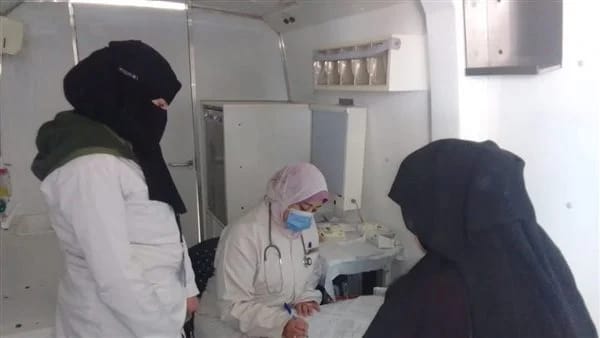
“Misr El Kheir Foundation Reaches 40% of Egypt’s Villages during Eid Days”
Ahmed Ali, Executive Director of Programs at Misr El Kheir Foundation, a member of the National Alliance for Civil Development Work, confirmed that the quality system within the foundation is divided into two main phases: pre-slaughter and post-slaughter. He explained that the institution handles each phase with the utmost precision to ensure that high-quality sacrificial meat reaches both beneficiaries and donors alike.
Pre-slaughter stage relies entirely on veterinary and agricultural supervision within the foundation’s farms
He explained that the pre-slaughter stage depends entirely on veterinary and agricultural supervision at the foundation’s farms, starting from the selection of livestock to the type of feed and the daily care provided to the animals.
The ultimate goal is to provide meat worthy of deserving families
He added that achieving the well-known taste of “local Egyptian meat” requires careful preparation and multiple stages of technical, agricultural, and veterinary monitoring. He emphasized that the ultimate goal is to provide meat worthy of deserving families while also giving donors confidence and pride when distributing sacrificial portions to those around them.
Every service within the foundation has what is known as a “Policies and Procedures Manual”
He pointed out that the second part of the quality system relates to slaughtering, preparation, and packaging operations. Every service within the foundation has a “Policies and Procedures Manual” that outlines the required quality standards at every stage of the project. He confirmed that the foundation reviews every step, from selecting the appropriate slaughterhouse to packaging and transportation operations, ensuring that work is carried out only in accredited government slaughterhouses operating under full veterinary supervision and official oversight.
The foundation sets precise standards for every detail within slaughterhouses and processing facilities
He added that the foundation establishes detailed standards for all aspects inside slaughterhouses and processing plants, starting from specially prepared flooring designed to prevent bacterial growth, to cutting and draining tables, freezing tunnels, refrigeration units, and even the type of packaging bags used. Every component undergoes approval and monitoring by specialized authorities before use.
He revealed that the foundation operates through more than 120 approved sources, including slaughterhouses and certified entities, in addition to a network of more than 1,500 civil society organizations across various governorates. He confirmed that work teams reach no less than 35–40% of Egypt’s villages during the four days of Eid al-Adha meat distribution.
He explained that the government slaughterhouses cooperating with the foundation are subject to continuous veterinary supervision, and meat is not stamped or approved until its safety and suitability for human consumption are confirmed. He stressed that health and veterinary standards represent a top priority for the foundation.
Criteria for selecting sacrificial animals
Regarding the criteria for selecting sacrificial livestock, Ahmed Ali confirmed that the foundation relies on specific religious and technical standards. He explained that the minimum acceptable weight is approximately 420 kilograms in order to ensure high meat yield and superior meat quality.
He added that animals weighing less than 350 kilograms are still in the skeletal growth stage and therefore do not provide the required quality or optimal meat yield.
The foundation focuses primarily on local meat
He pointed out that the foundation places greater emphasis on local meat. Some breeds may originate from outside Egypt at a young age, but they are raised on Egyptian farms for periods of two months or more, fed on local feed, and eventually acquire the characteristics and flavor of traditional Egyptian local meat. This distinguishes them from imported meat, which is slaughtered directly at the borders before entering the country.
He emphasized that donors and citizens consistently show the highest demand for local meat because of its superior quality and distinctive taste. This is why Misr El Kheir Foundation is keen to expand this type of sacrifice within its annual campaigns.
The foundation complies with Egyptian law regarding slaughter operations
He added that the foundation complies fully with Egyptian law concerning slaughter operations, relying exclusively on male livestock for sacrifices, while the slaughter of females is prohibited except in specific cases and with official veterinary certificates, in order to preserve livestock resources and comply with applicable regulations.
He concluded by affirming that the quality system at Misr El Kheir Foundation goes beyond simply providing good meat. It also aims to maintain donors’ trust and ensure that safe and healthy products reach deserving families across all governorates according to the highest approved veterinary and technical standards.
Read more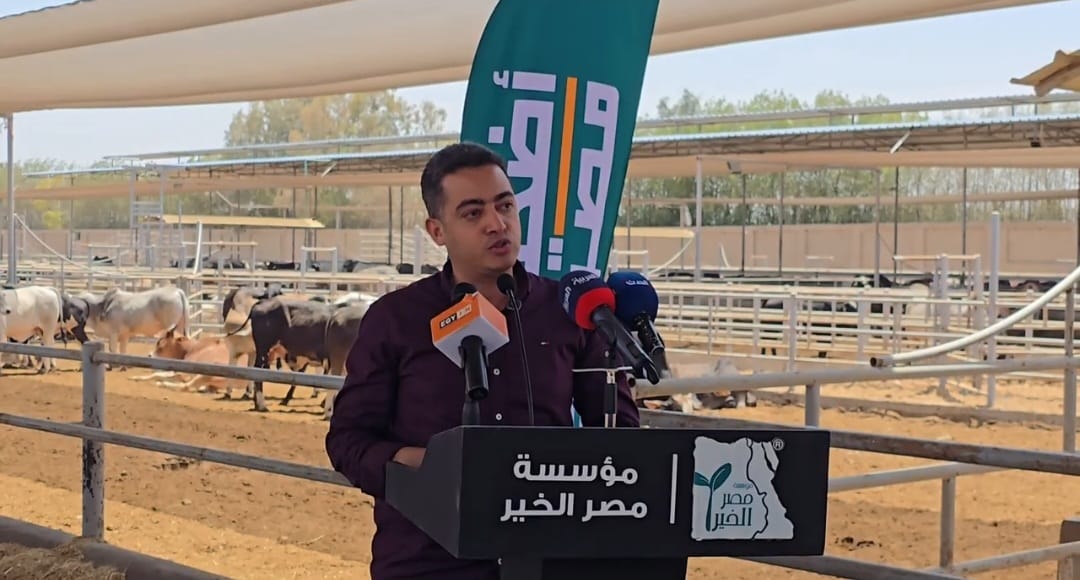
“Misr El Kheir Foundation aims to reach 32,000 sacrificial shares and expand the beneficiary base”
Mahmoud El Masry, Senior Director of Projects and Economic Empowerment and Director of the Sacrificial Share Campaign at Misr El Kheir Foundation, a member of the National Alliance for Civil Development Work, emphasized that quality remains the core principle of the organization’s sacrificial share campaign every year. He noted that over the years, the foundation has become associated with providing high-quality local meat, which has earned donors’ trust and made the campaign one of the leading sacrifice initiatives in Egypt.
He explained that the foundation relies on a fully integrated system that begins with selecting sacrificial livestock from the organization’s farms located across several regions. The animals undergo thorough religious, technical, and veterinary inspections supervised by specialized teams of veterinarians and agricultural engineers to ensure the health of the livestock and the quality of the meat. These preparations begin as early as five to six months before the sacrifice season.
He pointed out that this year’s campaign aims to offer four main products, led by the local sacrificial share priced at 11,900 Egyptian pounds per share. Another offering is the “One Animal in a Village” initiative, which involves slaughtering an entire sacrificial animal within targeted villages and distributing the meat to the most vulnerable families, at a cost of 85,000 pounds.
The foundation also provides “charity meat” products for those unable to afford a full sacrificial share. Donors can contribute a kilogram of charity meat for 480 pounds or support a package including one kilogram of meat, a bottle of oil, and one kilogram of rice for 550 pounds, with the aim of bringing joy to deserving families during Eid al-Adha.
El Masry added that the foundation is committed to maintaining the same quality standards for both the meat distributed to beneficiaries and the portions received by donors. A donor wishing to receive their share gets approximately 9 kilograms of meat starting from the fourth day of Eid, while distribution to eligible families begins on the first day of Eid al-Adha across 27 governorates and various targeted villages and hamlets.
He stressed that quality is not limited to the meat itself but extends to every stage of production, starting from the type of feed and grazing systems to livestock breeding and housing conditions at the foundation’s farms, all the way to controlling fat ratios in the meat according to proper standards to ensure a healthy and safe product. He explained that feed is selected with great care to achieve the best feed conversion rates for the animals, ultimately improving the quality of meat provided to citizens.
He revealed that the foundation aims this year to reach 32,000 sacrificial shares, marking growth compared to previous years. This expansion requires continuously updating databases of eligible families and extending outreach to new villages and hamlets that many donors cannot easily access directly. He also noted that the foundation has a wide network of volunteers and field teams that help reach the most vulnerable groups across different governorates.
He explained that packaging, transportation, and distribution operations are also subject to strict quality standards. Refrigerated transport vehicles are used to preserve the safety and quality of the meat and ensure it reaches beneficiaries and donors in optimal condition. The foundation is continuously working to improve this system in order to reach the largest possible number of families in need.
Regarding veterinary supervision, El Masry confirmed that monitoring is conducted year-round, not only during the sacrifice season. Animals are constantly monitored for diseases or health changes resulting from climate fluctuations, alongside regular vaccination and inspection programs to maintain livestock health. Growth rates and feed conversion are also tracked within the farms to guarantee the highest possible meat quality.
He further noted that the foundation’s sacrifice project is not limited to charitable work but is also connected to economic empowerment initiatives. Many of the livestock raised on the foundation’s farms originally belong to young people and female breadwinners who received them through development programs. These beneficiaries are trained in modern breeding and housing techniques within the foundation’s farms, helping them generate sustainable income and improve their living conditions.
Mahmoud El Masry emphasized that when donors entrust the foundation with carrying out a sacrificial share, they are not only fulfilling a religious duty but also indirectly supporting economic empowerment projects and assisting vulnerable families across Egypt’s governorates.
Read more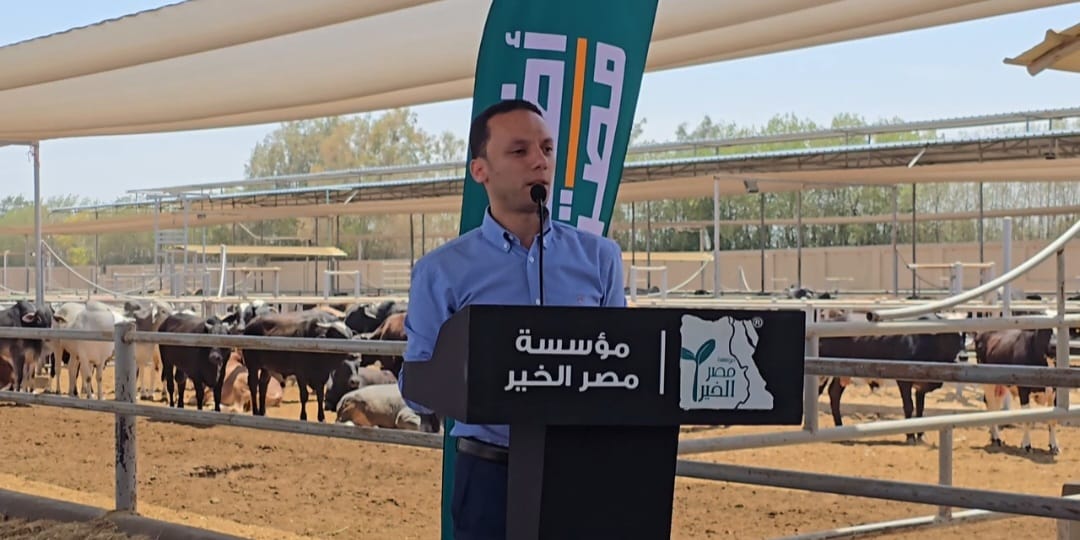
“For the 12th Consecutive Year… Misr El Kheir Foundation Announces Details of the Sacrificial Share Campaign”
For the twelfth consecutive year, Misr El Kheir Foundation, a member of the National Alliance for Civil Development Work, has launched its 2026 Sacrificial Share Campaign under the slogan: “ Goodness is Joy… Your Sacrifice with Misr El Kheir.”
Dr. Ahmed Ali: The Sacrificial Share Campaign with Misr El Kheir is not merely a religious ritual, but a fully integrated development process
Dr. Ahmed Ali, Executive Director of Programs at Misr El Kheir Foundation, stated that the Sacrificial Share Campaign is entering its twelfth year with the aim of bringing joy to deserving families during Eid al-Adha by distributing meat across all governorates of Egypt.
He emphasized that the campaign is not simply a religious ritual performed by Muslims, but rather an integrated development initiative that contributes to creating thousands of job opportunities for young people. He said: “Over the past years, we have provided tens of thousands of job opportunities that benefit both youth and the state through supporting the food security system.”
He explained that the campaign’s primary goal is to provide red meat to Egyptian families while generating a social—not profit-driven—return. The initiative includes training programs for youth in the field of livestock production, followed by providing the necessary funding to establish small-scale projects, in addition to supplying livestock, vaccinations, feed, and veterinary supervision. After the fattening cycle is completed, the livestock are purchased back from the participants.
He added: “We have farms in Beheira, El-Tor, South Sinai, and the Oases,” noting that farm locations are selected based on their suitability for livestock production and their ability to provide employment opportunities for youth.
Dr. Ahmed Ali stressed that Misr El Kheir Foundation is considered one of the largest livestock producers in Egypt, emphasizing that the campaign reflects the organization’s commitment to its developmental role in building human capacity and encouraging youth employment through supporting small projects that provide sustainable income.
Mahmoud Abdel Hakim: The campaign includes four programs, and we aim for 32,000 sacrificial shares to serve around 2 million beneficiaries
Mahmoud Abdel Hakim, Director of the Sacrificial Share Campaign at the foundation, stated that the campaign includes four products:
- The “Local Sacrificial Share” valued at 11,900 Egyptian pounds
- “A Local Sacrificial Animal in a Village” valued at 85,000 pounds
He added that two additional products were introduced for contributors who wish to participate but cannot afford a full share:
- “One Kilogram of Charity Meat” for 480 pounds
- “One Kilogram of Charity Meat + a Bottle of Oil + One Kilogram of Rice” for 550 pounds
He confirmed that all campaign products rely entirely on 100% locally sourced meat.
He explained that the sacrificial share worth 11,900 pounds includes 27 kilograms of local meat distributed to beneficiaries starting from the first day of Eid. Donors may also receive their religiously entitled portion of 9 kilograms, delivered free of charge starting from the fourth day of Eid if they choose, or they may allocate the entire share to beneficiaries.
He pointed out that one of the campaign’s main advantages is its full compliance with Islamic Sharia regulations, along with the application of the highest medical and veterinary standards. This process begins with carefully selecting livestock, which undergoes strict examinations by specialized veterinarians, followed by slaughtering in more than 100 equipped slaughterhouses across Egypt, and ending with packaging and distribution.
He also stressed the variety of donation methods available, including through the website (mekeg.org), the “Misr El Kheir” mobile application, the hotline 16140, and the foundation’s branches. He confirmed that purchasing sacrificial shares will continue until the Day of Arafah.
Mahmoud Abdel Hakim further revealed that the campaign aims to reach approximately 32,000 sacrificial shares benefiting more than 2 million people. He added that the foundation has adopted the use of “thermal bags” for delivering meat to donors through Misr El Kheir branches in order to preserve quality.
Marwa Osama: The meat is pure local meat subject to the highest veterinary care standards to ensure safety
Engineer Marwa Osama, Deputy Director of Ard El Kheir Livestock Company, stated that for the twelfth consecutive year, the campaign is being launched from one of the foundation’s farms. She explained that the meat provided is “pure local meat” subject to strict monitoring and control.
She confirmed that livestock selection is conducted through specialized veterinary committees to ensure compliance with both religious and health standards.
She concluded by noting that the foundation cooperates with youth through “Ard El Kheir” farms to transform them into small-scale investors, where beneficiaries raise livestock under the foundation’s full supervision until they become capable of independently managing their own projects.
Read more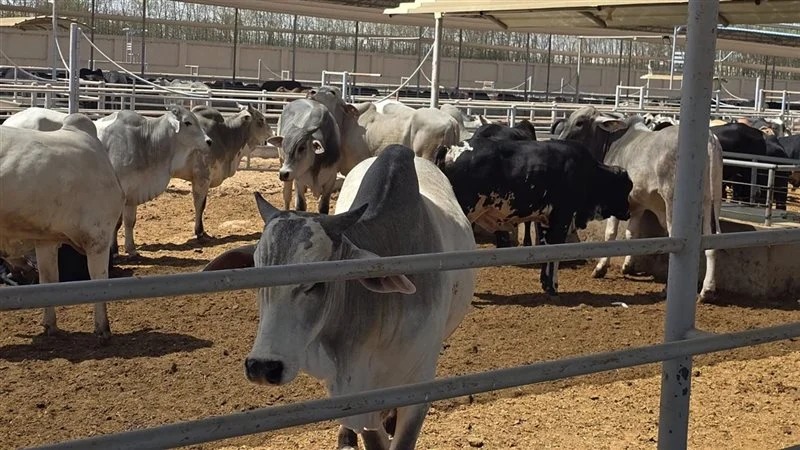
When Banks Meet Charity: A Real Story of Development on the Ground
Major General Dr. Mostafa El-Beblawy, Governor of Qena, received Dr. Heba Hussein, Executive Director of the Banque Misr Foundation for Community Development, and Dr. Khaled Omran, Director of Misr El Kheir Foundation in the governorates of Qena, Luxor, and the Red Sea, along with representatives from both organizations. The meeting aimed to explore avenues for joint cooperation in implementing a number of developmental and service projects targeting the improvement of quality of life for citizens in villages and centers across the governorate, especially the most vulnerable groups.
The Governor of Qena praised the fruitful cooperation between the two sides and the developmental projects that have been implemented across the governorate. He emphasized that such partnerships represent a successful model of integration between state institutions, civil society, and the banking sector, contributing directly to achieving comprehensive development and improving citizens’ quality of life.
El-Beblawy affirmed that the achievements made in the villages of Nag Hammadi reflect an integrated development vision focused on people, through improving education and healthcare services, supporting economic empowerment, and enhancing living stability for the most vulnerable families. He stressed the importance of continuing and expanding these efforts to reach a greater number of beneficiaries.
Heba Hussein, Executive Director of the Banque Misr Foundation for Community Development, confirmed that continued cooperation with Misr El Kheir Foundation reflects the institution’s commitment to supporting comprehensive development efforts. She noted that the foundation believes in the importance of integrated development and the interconnection between community and economic empowerment.
She added that the current phase aims to enhance the sustainability of the services provided and expand the scope of beneficiaries, ensuring the achievement of integrated and sustainable development within the villages of Nag Hammadi in Qena Governorate.
In a gesture of appreciation reflecting the depth of partnership and cooperation, the Governor of Qena presented the governorate’s shield to Dr. Khaled Omran and Dr. Heba Hussein in recognition of their efforts in supporting development work. In return, Dr. Khaled Omran presented the Misr El Kheir Foundation’s shield to the Governor of Qena in appreciation of his continuous support for development initiatives in the governorate.
Misr El Kheir Foundation announced the success of its strategic partnership with Banque Misr in implementing the development project for villages in Nag Hammadi, Qena Governorate. This comes as a continuation of previous successes, including the development of Al-Arki village in Farshout, which achieved a tangible impact in improving the living environment and services provided to residents.
The Nag Hammadi villages development project in Qena Governorate represents an integrated model of sustainable development, combining improvements in education and healthcare services, support for livelihoods, and empowerment of vulnerable groups—contributing to raising living standards and achieving real development that citizens can feel within their communities.
Read more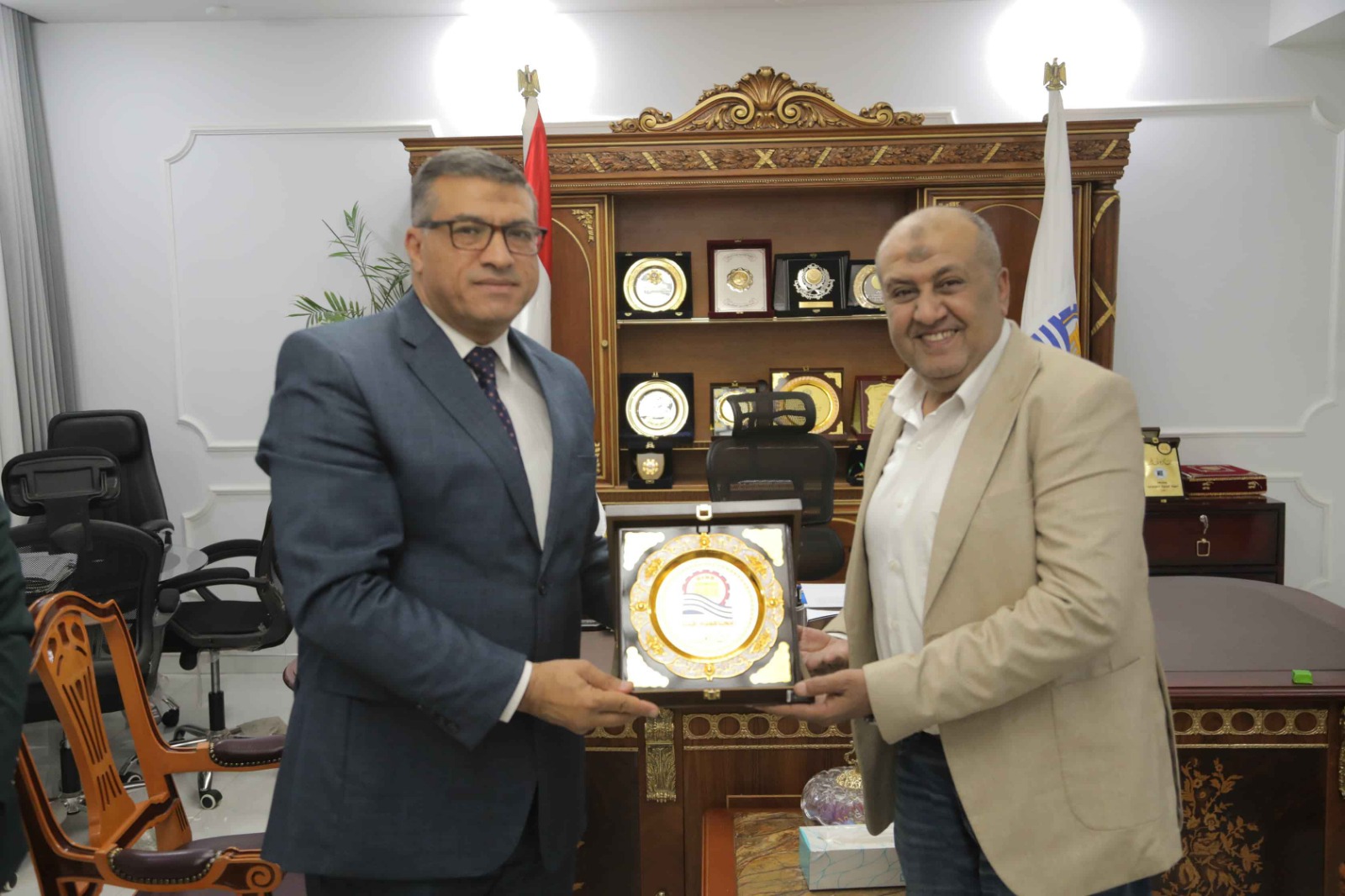



.png)
.png)
.png)
.png)
