Misr Elkheir News
“Iftar Saem” Reaches Villages of Beni Suef Carrying 1,000 Hot Meals
The Directorate of Social Solidarity in Beni Suef, in the presence of Wael El-Masry, Director of the Associations Department at the Directorate, oversaw the “Village Iftar” initiative as part of the “Iftar Saem” campaign implemented by Misr El Kheir Foundation for the fourteenth consecutive year. The campaign runs until the end of the holy month of Ramadan.
Food services reached villages in Beni Suef with wide participation from young volunteers in preparing and distributing 1,000 hot meals. The meals consisted of large family-sized trays (“Azoumet El-Eila” trays) sufficient to feed an entire family, aiming to bring joy to beneficiaries.
The campaign has successfully delivered 950,000 food boxes to eligible beneficiaries across the country, in addition to launching 80 food tents in the beneficiary villages. Each tent provides approximately 1,000 meals daily. The campaign is not limited to food distribution but also works to strengthen social solidarity through cooperation with grassroots associations and direct engagement via the foundation’s offices spread across more than 15 governorates.
An Ongoing Campaign to Support Millions of Fasting Individuals
The “Iftar Saem” campaign is considered one of the largest Ramadan charitable initiatives in Egypt, targeting millions of fasting individuals across various governorates. It offers a comprehensive package of services, including: “Kartonet El-Kheir” , “Kartonet El-Satr” ,“Sanad El-Eila” ,“Kart El-Kheir” ,Food meals ,“Family Gathering Meal” , Iftar and Suhoor tents ,“Traveler’s Iftar”, “Village Iftar” , “Kheirak Zad” vehicle , Zakat al-Fitr and Eid clothing card
These initiatives collectively aim to provide broad humanitarian and social support throughout the holy month.
Read more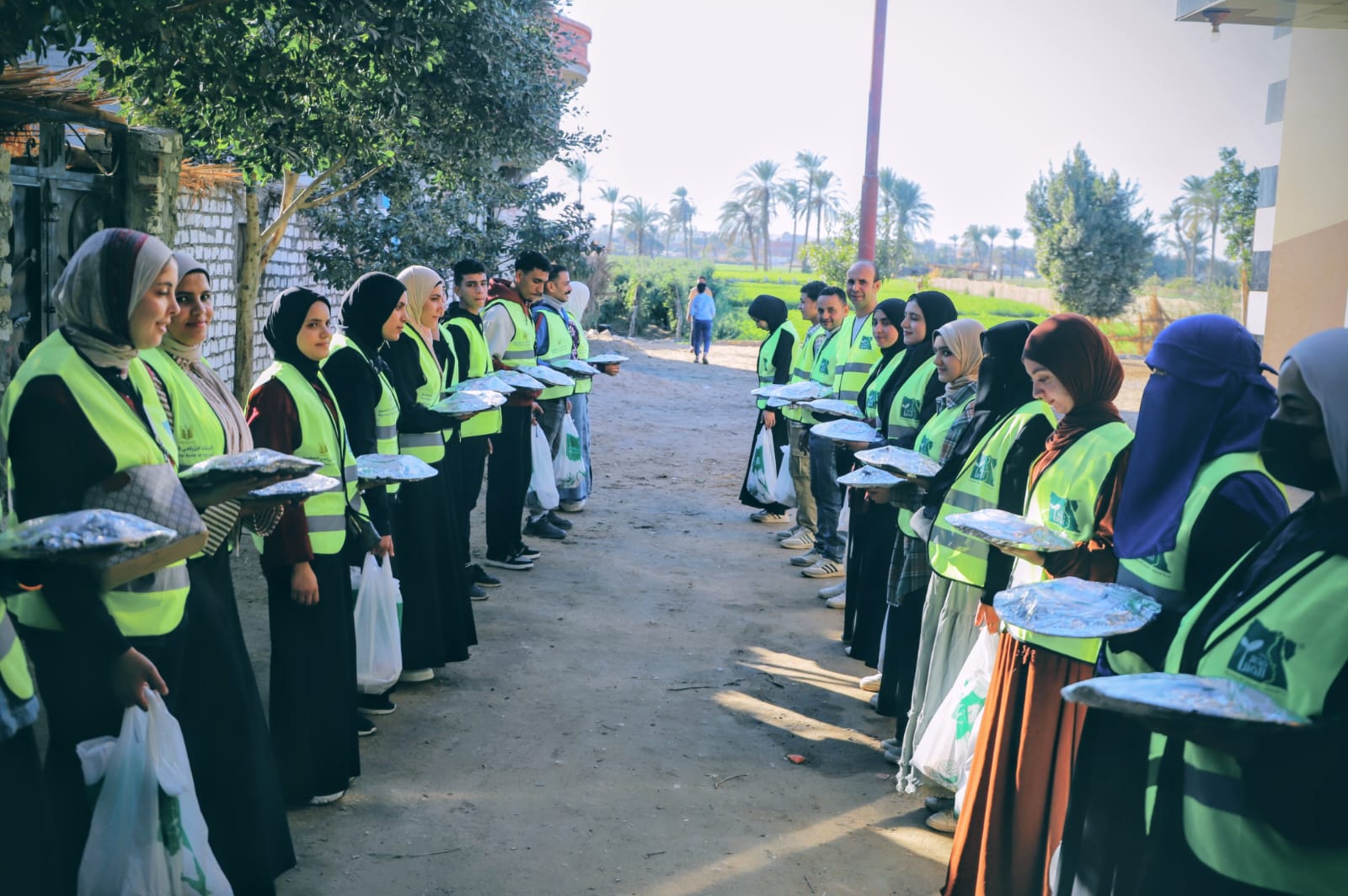
“Misr El Kheir” Continues Packing Food Boxes as Part of Its “Iftar Saem” Campaign
Misr El Kheir Foundation continues packing food boxes as part of its “Iftar Saem” (Breakfast for a Fasting Person) campaign for the fourteenth consecutive year, in preparation for distributing them to those in need throughout the holy month.
Dr. Hanan El-Derbashi, Head of the Social Solidarity Sector at Misr El Kheir Foundation, stated that the Iftar Saem campaign is not limited to providing food assistance only. It also aims to strengthen social solidarity and community support, while contributing to economic activity within society through cooperation with grassroots associations and direct engagement via Misr El Kheir offices spread across more than 15 governorates. This helps achieve comprehensive community development and fosters supportive bonds between donors and beneficiary families.
She explained that the Iftar Saem campaign is considered one of the largest organized Ramadan charitable initiatives in Egypt, targeting millions of fasting individuals across various governorates, especially the most underprivileged areas.
Dr. Hanan El-Derbashi added that the campaign includes several products that the foundation distributes to eligible beneficiaries according to its databases. The foundation also offers donors the option of personally delivering donations. Among the key initiatives are “Kartonet El-Kheir”, “Kartonet El-Satr”, “Sanad El-Eila” and “Kart El-Kheir”, in addition to food meals, the “Family Gathering Meal,” Ramadan iftar tents for a full month, combined iftar and suhoor tents for a month, and iftar and suhoor meals within Ramadan tents—now totaling 77 tents—as well as “Traveler’s Iftar,” “Village Iftar,” the “Kheirak Zad” vehicle, Zakat al-Fitr, and Eid clothing cards. These efforts contribute to comprehensive humanitarian and community development.
She affirmed that the success of Misr El Kheir Foundation is made possible through the support of success partners, the government, donors, and partner civil society organizations. The foundation aims this year to reach even more millions of fasting individuals.
Read more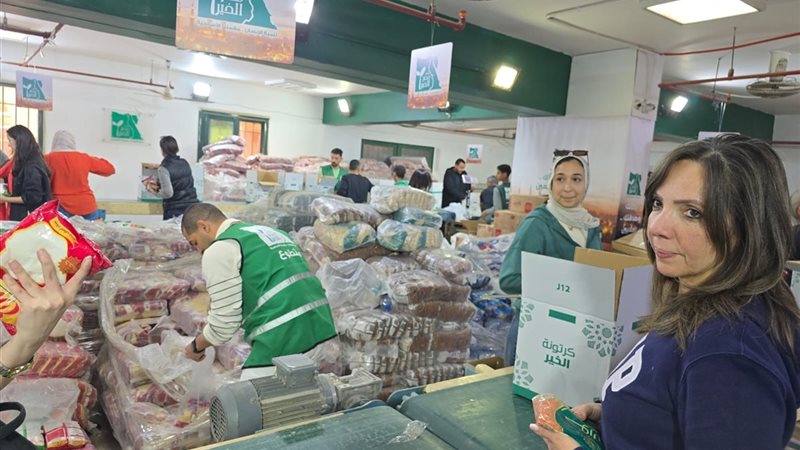
A Roundtable Discusses Turning Climate Change into a Societal Responsibility at the Cairo International Book Fair
As part of the 57th edition of the Cairo International Book Fair, the Specialized Seminars Hall hosted a roundtable on Tuesday titled: “Climate Change: From Environmental Challenges to a Shared Societal Responsibility,” with the participation of a number of experts, specialists, and representatives of civil society organizations.
The roundtable discussed the shift in addressing climate change from being viewed solely as an environmental crisis to becoming a collective responsibility that requires the integration of roles among the state, civil society, and the private sector, as well as activating governance tools, legislation, and green financing mechanisms.
Participants included Dr. Fadl Hashem, Executive Director of the Climate Change Center at the Ministry of Agriculture; Dr. Mohamed Mamdouh, Head of the NGO Development Sector at Misr El Kheir Foundation; and researcher Hamada Qaoud, Senior Researcher for Sustainable Development at the National Institute for Governance and Sustainable Development. The session was moderated by Youssef Arouj, President of the Mediterranean Youth Foundation, and was attended by several officials from Misr El Kheir Foundation, members of NGOs and development institutions, and specialists in climate and agricultural affairs.
For his part, Dr. Fadl Hashem explained that the Ministry of Agriculture is working to confront climate change through a package of programs and projects aimed at protecting agricultural resources, supporting farmers, and promoting climate-smart agriculture systems. He stressed the importance of integrating scientific research with practical implementation to address the accelerating challenges posed by climate change.
In the same context, Dr. Mohamed Mamdouh emphasized the need to launch flexible programs capable of harnessing young people’s energies and engaging them in training and awareness initiatives related to climate change issues. He affirmed that building societal awareness is one of the most important tools in confronting the crisis, alongside strengthening the role of NGOs as effective development partners in implementing climate policies on the ground.
Read more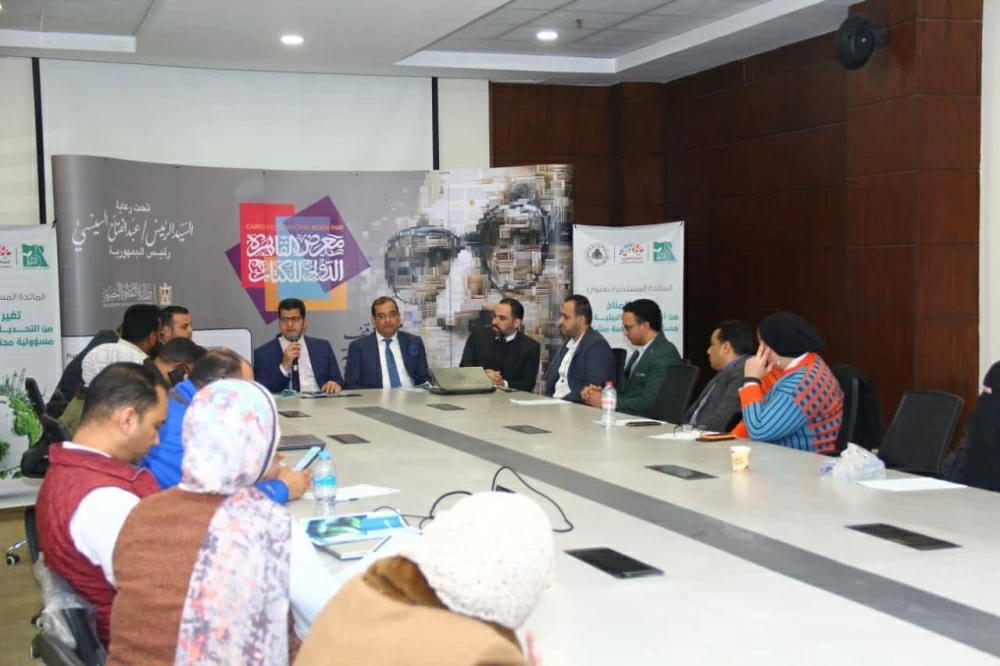
With the participation of Misr El Kheir Foundation, a member of the National Alliance… A Seminar at the Cairo International Book Fair
Dr. Mohamed Refai, CEO of Misr El Kheir Foundation, a member of the National Alliance for Civil Development Work, affirmed that the foundation focuses its work on people as the fundamental pillar for achieving sustainable development through its slogan, “Human development is our primary mission.” He explained that the foundation is distinguished by two very important aspects:
First, diversity — as it operates in numerous fields and sectors such as culture, arts, health, education, scientific research, various aspects of life, and support for debtors, rather than limiting its role to food aid.
Second, intellect — which it considers the greatest added value. At Misr El Kheir, the focus is on “developing minds, not stomachs,” and that is why the foundation is present at the Cairo International Book Fair.
These remarks were made during the CEO’s speech on Saturday at a seminar titled: “Towards a Partnership for Cultural Renaissance: State Institutions, Civil Society Organizations, and the Private Sector,” held at Plaza Hall 1 in the main hall of the 57th edition of the Cairo International Book Fair. The seminar was attended by Dr. Essam Sharaf, former Prime Minister; Dr. Nevine El Kilany, former Minister of Culture; and Eng. Hussein Masry, Executive Director of Juhayna Food Industries.
In his speech, Dr. Mohamed Refai emphasized that cooperation between civil society, the private sector, and government institutions is a fundamental pillar for achieving national development in line with Egypt’s Vision 2030 strategy. He noted that 34,600 civil society organizations have regularized their status within the country, and that Misr El Kheir Foundation collaborates with 4,500 NGOs, focusing its work on people and the development of minds.
Read more
Cooperation Protocol with Bibliotheca Alexandrina
Bibliotheca Alexandrina and Misr El Kheir Foundation signed a cooperation protocol to enhance collaboration in scientific research, knowledge exchange, and youth empowerment.
Dr. Ahmed Zayed, Director of the Bibliotheca Alexandrina, described the partnership as a significant addition due to the Foundation’s extensive development experience. Dr. Mohamed Refai, CEO of the Foundation, noted that both institutions share a common focus on human development—intellectual growth at the Library and comprehensive human development at Misr El Kheir.
The cooperation will include joint programs, events, and initiatives to promote scientific research, innovation, education, heritage, environmental awareness, and youth and women’s empowerment.
Read more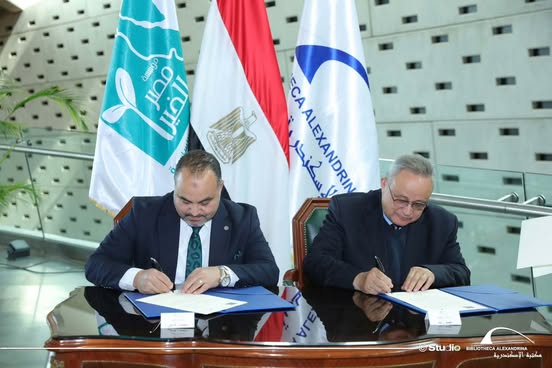
Scholarships for Outstanding Students at Zewail City
Misr El Kheir Foundation signed a cooperation protocol with Zewail City of Science, Technology and Innovation to provide scholarships for outstanding students nationwide from the 2025/2026 academic year through 2028/2029.
The initiative supports high-achieving secondary school graduates, helping them pursue advanced education while easing financial burdens on their families. Officials emphasized the importance of investing in scientific research, innovation, and nurturing talented youth.
Read more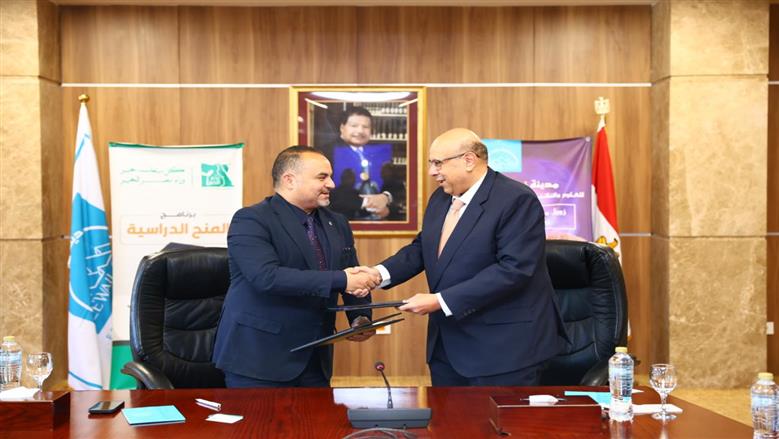
Water Network Rehabilitation Protocol in Beni Suef
Misr El Kheir Foundation signed a cooperation protocol with the Beni Suef Drinking Water Company to replace and renew 5,000 meters of deteriorated water networks in Al-Fant Al-Sharqiya village, Al-Fashn Center, benefiting more than 47,000 people. The project is funded by Crédit Agricole Egypt Foundation for Development.
Officials praised the Foundation’s ongoing efforts in health, education, relief, and essential services across the governorate.
Read more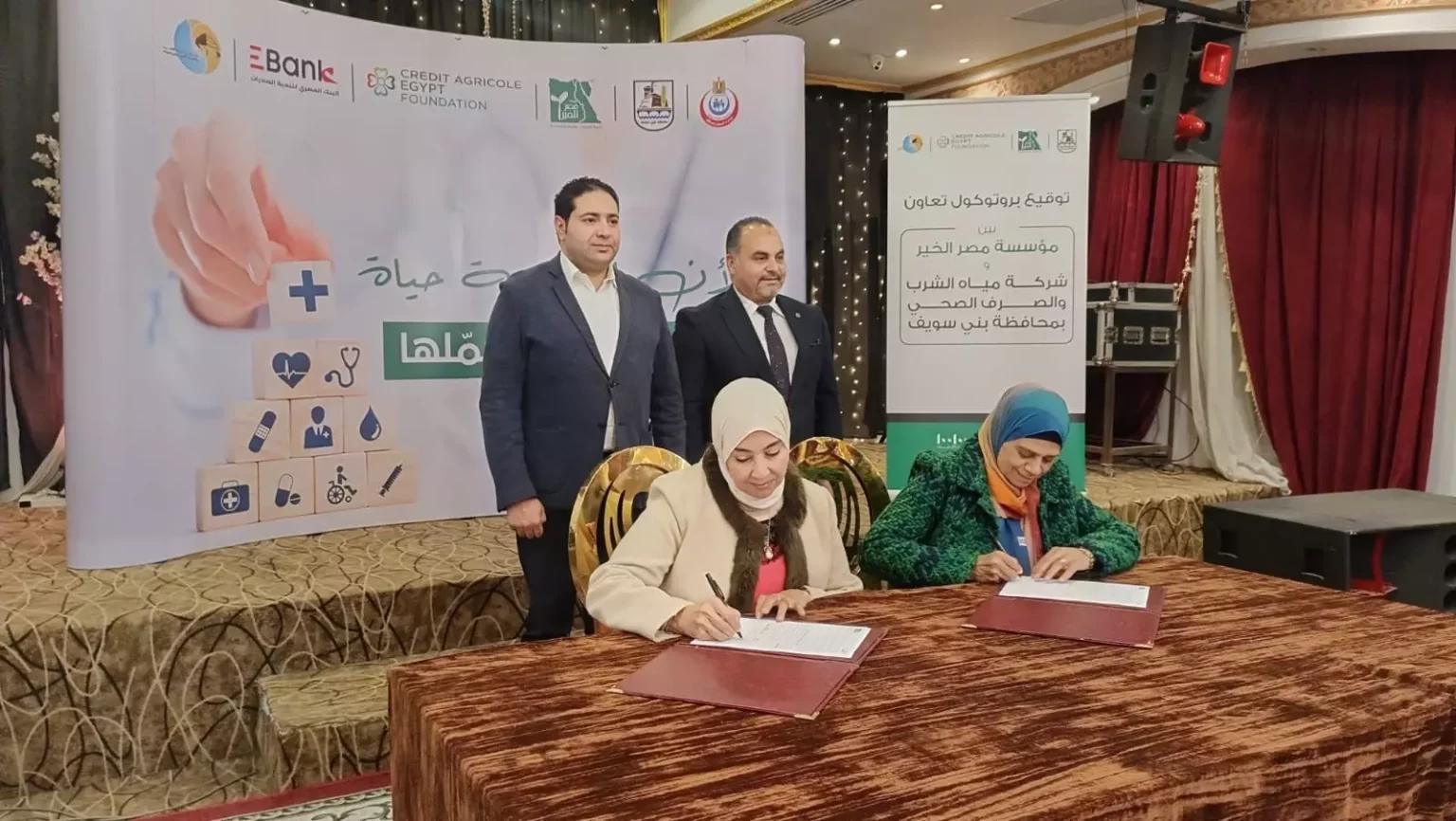
Comprehensive Health Day in Beni Suef
Misr El Kheir Foundation organized a comprehensive health day in Beni Suef Governorate as part of its “Human Development is Our Core Mission” strategy.
Activities included:The inauguration of the first dialysis unit within the intensive care department at Beni Suef Chest Hospital , A multidisciplinary medical convoy in cooperation with the Export Development Bank of Egypt and Monthly treatment services for underprivileged families without a maximum treatment cost
The Foundation also announced drinking water projects benefiting over 51,000 homes through network expansion, rehabilitation of water stations, and drilling of artesian wells.
Read more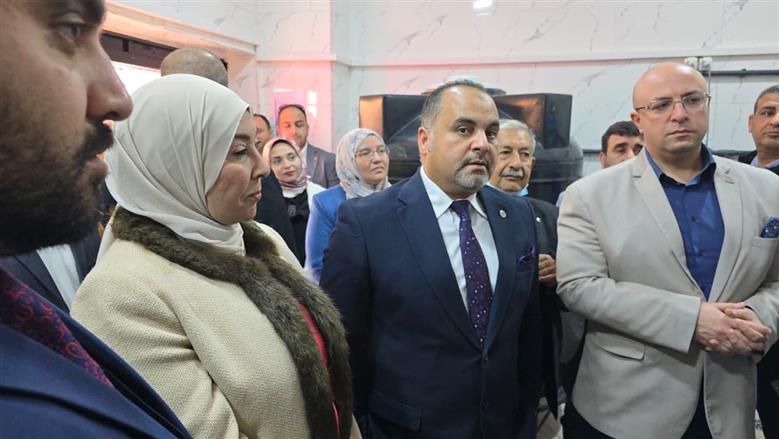



.png)
.png)
.png)
.png)
