Misr El Kheir Launches a Practical Guide for NGOs on Crisis, Risk, and Emergency Response
4 June 2026In a new step reflecting the growing strategic role of civil society in supporting the Egyptian state and local communities, Misr El Kheir Foundation, a member of the National Alliance for Civil Development Work, launched a practical implementation guide for non-governmental organizations (NGOs) to respond to crises, risks, and community emergencies.
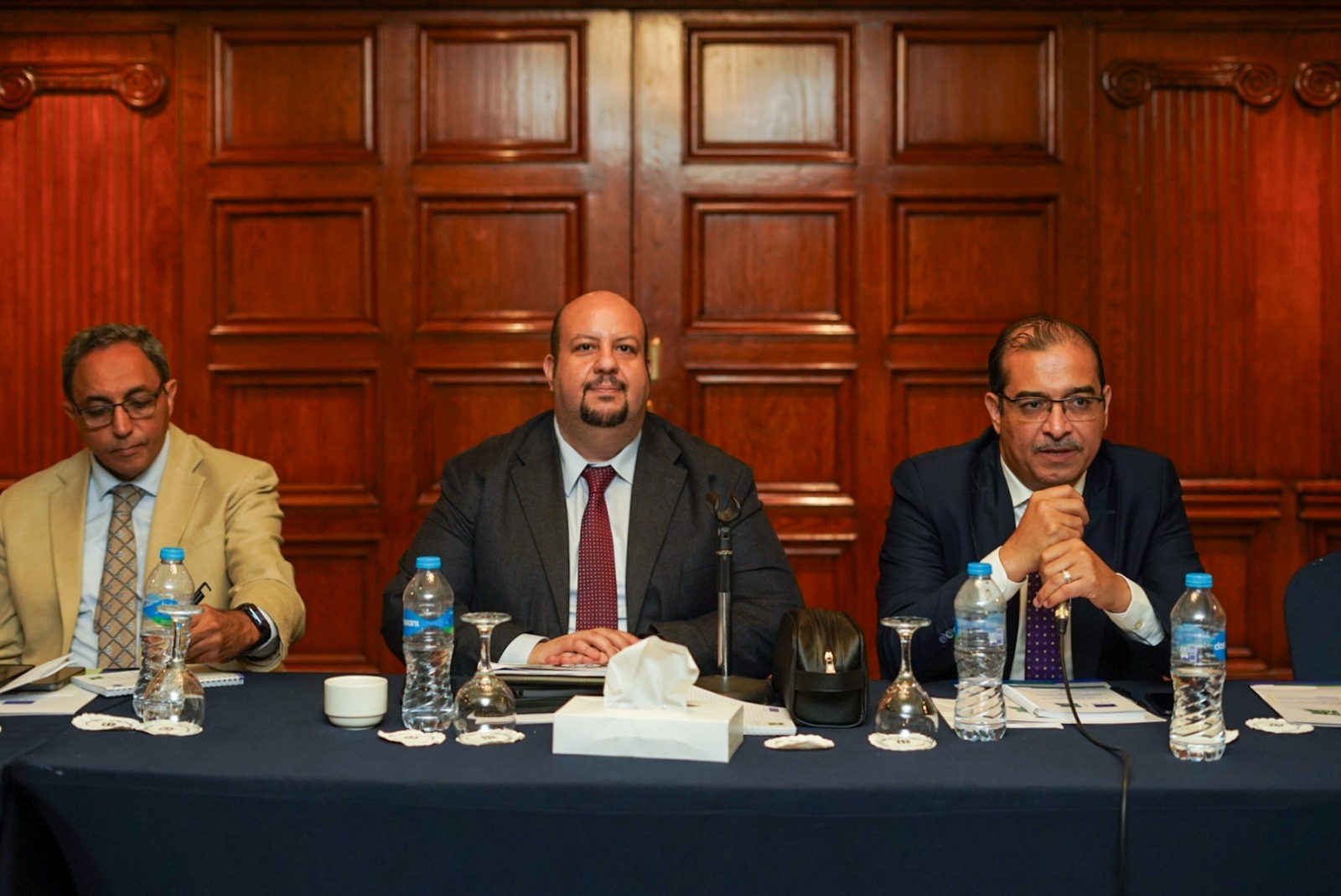
The launch took place during an expanded roundtable discussion organized by Misr El Kheir under the title “The Role of Civil Society Organizations in Responding to Community Crises and Risks,” as part of the project “Strengthening the Roles of NGOs in Sustainable Development and Climate Action.”
Participation of Leading Crisis Management Experts
The roundtable brought together representatives from the Ministries of Social Solidarity, Local Development, and Planning, alongside leading experts in crisis and disaster management, civil society representatives, the National Planning Institute, and specialists in development, humanitarian response, and climate action.
NGOs as the First Line of Defense During Crises
Dr. Mohamed Mamdouh, Head of NGO Development at Misr El Kheir Foundation and Executive Director of the Arab Center for NGO Sustainability, stated that the foundation has developed a comprehensive methodology aimed at improving how NGOs and charitable organizations manage crises, risks, and community emergencies.
He explained that the roundtable was organized to assess the methodology’s suitability for local community needs and its practical applicability on the ground.
Mamdouh noted that communities today face a wide range of complex and rapidly evolving crises, requiring swift and effective intervention from civil society organizations. He pointed out that NGOs have traditionally intervened after crises occur, whereas the new methodology seeks to shift from a “reaction” approach to one based on “anticipation and prevention.”
Building Early Warning Systems
According to Mamdouh, the methodology focuses on establishing early warning systems within civil society organizations to identify social problems at their earliest stages before they develop into prolonged crises or complex societal challenges requiring substantial resources and interventions.
The methodology also includes training NGOs on mechanisms for early detection of community issues, analyzing behavioral patterns and initial indicators within local communities, and enabling timely intervention before problems escalate into large-scale crises.
He emphasized that this new approach would enhance the impact of civil society, improve the efficiency of development interventions, and achieve better outcomes with fewer resources. For example, issues such as school dropout rates can be identified and addressed early before leading to more serious problems such as child labor and child marriage.
From Development Partner to Crisis Responder
Dr. Mamdouh Abdullah stressed that the world is experiencing rapid changes and successive crises, making NGOs no longer merely development intermediaries during stable periods. Instead, during crises, they have become the “first line of defense” protecting the social fabric from fragmentation and collapse.
He added:
“When natural disasters strike, economic crises deepen, or health pandemics spread, society immediately turns to NGOs because they are closest to citizens and best positioned to understand and respond quickly to their needs.”
Supporting Sustainable Development and Climate Action
Mamdouh explained that the project “Strengthening the Roles of NGOs in Sustainable Development and Climate Action at the Local Level” aims to reinforce civil society’s role as a key partner in governance and sustainable development in Egypt.
He noted that organizing the roundtable is one of the project's implementation mechanisms, intended to promote institutional dialogue and exchange expertise on enhancing NGO readiness to address crises and development and climate-related challenges.
Institutional Flexibility as a Core Strength
Mamdouh highlighted that the true value of NGOs lies not only in their speed of response but also in their institutional flexibility—their ability to reorganize priorities, adapt programs, and redirect resources according to changing and unexpected circumstances.
He emphasized that institutional flexibility is no longer a luxury but a necessity, requiring an organizational culture based on risk anticipation, crisis management capacity building, and the development of sustainable emergency response mechanisms.
Organizations capable of absorbing societal shocks, supporting vulnerable groups, and transforming emergency interventions into opportunities for recovery and development are, he said, best positioned to achieve sustainability and build long-term public trust.
Challenges Facing Civil Society Organizations
The roundtable served as a strategic platform for in-depth discussions on strengthening institutional crisis-response systems within civil society organizations and transforming challenges into opportunities to build more resilient and sustainable communities.
Mamdouh pointed out that the increasing frequency of natural, economic, and health-related crises has exposed major challenges facing NGOs, including:
- Weak institutional preparedness.
- Lack of emergency plans.
- Limited coordination among government, civil society, and private-sector actors.
- Shortages of specialized personnel.
- Weak information systems and decision-support databases.
- Limited financial and technological resources.
- Absence of evaluation and learning mechanisms after crises.
- Insufficient participation of local communities in planning and response efforts.
These factors, he noted, reduce the effectiveness of interventions and slow response times, particularly affecting the most vulnerable populations.
Need for Proactive Strategies
Mamdouh stressed the importance of moving from temporary responses toward proactive strategies based on planning, partnership, and institutional integration.
He explained that the growing recurrence of crises at both local and regional levels underscores the need to enhance NGO performance in line with sustainable development requirements, strengthen collaboration across sectors, exchange expertise, and develop a shared vision for effective institutional response.
The roundtable aimed to:
- Strengthen NGOs’ capacity for rapid and effective crisis response.
- Analyze the current state of civil society responses.
- Identify institutional gaps.
- Review successful experiences and best practices.
- Develop practical and scalable response mechanisms.
- Foster partnerships among government, the private sector, and civil society.
- Align crisis-response efforts with the Sustainable Development Goals (SDGs).
Ministry of Social Solidarity: Civil Society Is Essential
Dr. Mohamed El-Okby, Assistant Minister of Social Solidarity, conveyed greetings from Minister Dr. Maya Morsy and emphasized the ministry’s strong interest in crisis management and the importance of utilizing the roundtable’s recommendations to improve crisis-response mechanisms.
He explained that society faces two types of crises:
- Sudden crises, such as the COVID-19 pandemic and the war in Gaza, which prompted rapid and extensive responses from Egyptian civil society.
- Prolonged crises, including poverty, low income levels, and quality-of-life challenges, which require sustained interventions through cash assistance, food support, economic empowerment, and livelihood improvement programs.
He affirmed that civil society has become an essential development partner alongside government and the private sector, noting that Egypt’s NGO sector is currently experiencing one of its strongest periods in terms of maturity, influence, and recognition both locally and internationally.
Importance of Partnerships and Networks
Dr. Mohamed El-Maghraby, Scientific Committee Member at the National Planning Institute and Strategic Planning Consultant to the Ministry of Social Solidarity, stressed the importance of preparing and equipping civil society organizations to deal with crises and disasters.
He highlighted the need to distinguish between emergency crises such as wars and natural disasters and long-term societal crises with deep and lasting impacts.
El-Maghraby emphasized the importance of partnerships among civil society, government institutions, and the private sector. While governments invest heavily in crisis-management systems and response planning, civil society organizations possess unique capabilities for direct engagement with citizens, making collaboration between the two sectors critical for improving response effectiveness and minimizing losses.
He also argued that crisis management should not be limited to sudden disasters but should encompass long-term social challenges such as poverty, school dropout rates, addiction, and child marriage.
Strengthening National Crisis Management Systems
Major General Ibrahim Othman Helal, former Deputy Secretary-General of the National Defense Council, stated that the roundtable supports national efforts to strengthen crisis and risk management systems and institutionalize partnerships between government bodies and NGOs.
He stressed the importance of continuously updating crisis-management methodologies across all phases—before, during, and after crises—and focusing on addressing root causes before problems escalate.
He also highlighted the value of learning from past experiences, utilizing previous response plans, and training civil society organizations in rapid containment measures, loss reduction strategies, and evaluations of strengths and weaknesses in crisis-response plans.
Comprehensive Understanding of Crises
Dr. Khaled Abdel Halim, former Governor of Qena, former advisor to the Ministry of Local Development, and Scientific Committee Member at the National Planning Institute, expressed his appreciation for participating in discussions on one of the most significant issues affecting the future of communities.
He noted that Egypt’s political leadership places great importance on crisis and disaster management, with ongoing directives to develop plans and strategies for dealing with all types of crises in full cooperation with civil society institutions.
He emphasized that crises should not be understood solely as accidents, floods, wars, or health emergencies but should also include long-term challenges such as poverty, addiction, health issues, and school dropout rates.
He further stressed the importance of developing detailed maps of crises and challenges across Egypt’s governorates, linking them to available resources and capacities, and prioritizing interventions based on each crisis’s societal impact.
National Crisis Control Network
Major General Sherif Zahran, Director of Crisis Management and the National Network Control Center at the Ministry of Local Development, explained that the ministry’s crisis-management and control center plays a pivotal role in supporting governorates and monitoring field conditions to ensure rapid responses to emergencies while protecting citizens and minimizing losses.
He stated that the National Network Control Center operates around the clock to monitor emergencies, analyze incoming data and information, and support timely decision-making and effective crisis management.
Zahran added that the Ministry of Local Development’s National Network Control Center extends across all 27 governorates with 100% operational readiness, serving as a key communication link between the central government and local authorities. This contributes to greater integration among state institutions, faster emergency response, and more effective monitoring of national development projects throughout Egypt




.png)
.png)
.png)
.png)
