Misr Elkheir News
Signing of a Cooperation Protocol to Establish a Water Desalination Plant in Central Sinai
North Sinai Governorate signed a cooperation protocol with Misr El Kheir Foundation to establish a water desalination plant in the village of Bir 7 in Nakhl Center. The project aims to provide a safe and sustainable source of drinking water for the village’s residents.
Major General Dr. Khaled Megawer, Governor of North Sinai, confirmed that the protocol include efforts to improve water services and enhance quality of life, noting the continued cooperation with civil society organizations to serve the people of the governorate.
Dr. Afaf El-Gohary from Misr El Kheir Foundation explained that the project builds on previous efforts to implement desalination plants in several villages, supporting stability and providing essential services to citizens.
Read more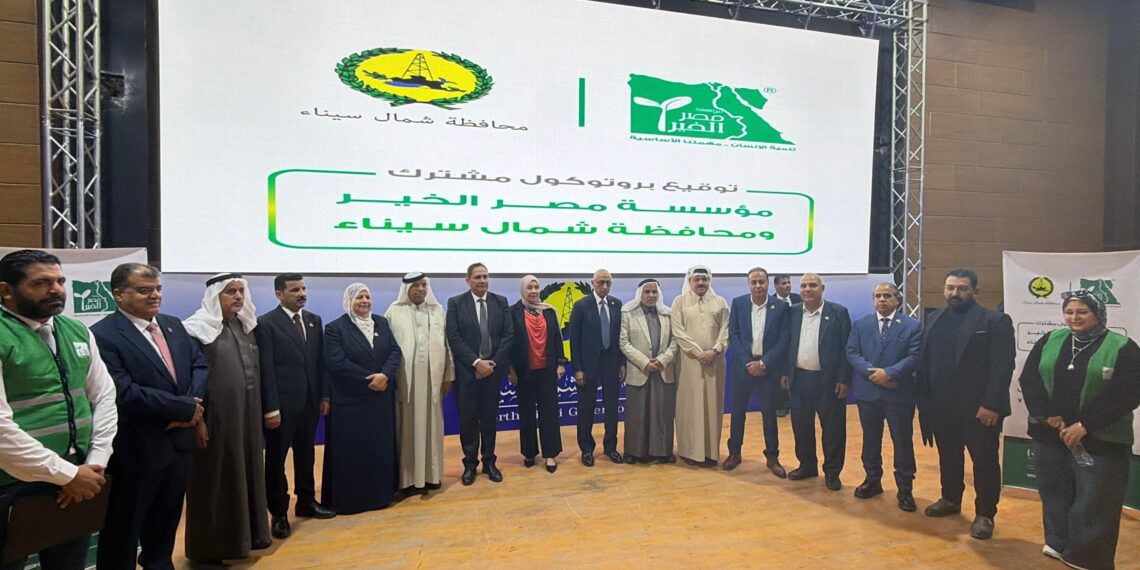
Misr El Kheir Foundation and Film Heroine Faiza Honored at the Closing of the Aswan International Women’s Film Festival
At the closing ceremony of the 10th edition of the Aswan International Women’s Film Festival, Misr El Kheir Foundation received special recognition for its second consecutive year of participation. The foundation’s film heroine, the Egyptian student “Faiza,” was also awarded a special prize by the jury in the Short Films with Impact competition, where she was selected as “Best Influential Character” in recognition of her portrayal as a real-life Egyptian girl who faced challenges with strength and determination.
Misr El Kheir also supported young talents through the “Southern Films” competition. Dr. Hanan El-Darbashi, Head of the Social Solidarity and Debtors Sector at the foundation, took part in presenting awards during the closing ceremony.
Dr. Loay Saad El-Din Nosrat, Acting President of Aswan University, praised the films screened at the festival, emphasizing that they served as an honest reflection of society by deeply addressing humanitarian and social issues.
In a gesture of appreciation, the Acting President of Aswan University announced a full free scholarship for Faiza, the heroine of Misr El Kheir’s film, to complete her Master’s and PhD studies in engineering at the university.
In the same context, Dr. Hanan El-Darbashi noted that the foundation’s participation in the festival focuses on building genuine partnerships with artists to produce works carrying humanitarian messages capable of changing perceptions. She added that the foundation showcased impactful examples addressing various social issues, including indebted women, economic empowerment, and environmental challenges. She emphasized that Misr El Kheir seeks to expand its impact through collaboration with universities and art academies, as well as organizing training workshops for youth to help prepare a generation that is aware of development issues and capable of expressing them through modern artistic tools.
Actor Hamza El-Aily praised the foundation’s support for the film’s heroine, noting that her selection as a model made the jury pause and reflect, as she represents the strong Egyptian woman who can successfully lead her life when given the opportunity. He also commended the foundation’s initiative and commitment to presenting real-life stories in a creative format capable of competing internationally, expecting that the film will win several awards at upcoming international festivals.
Writer Azza Kamel, a member of the festival’s board of trustees, also praised the foundation’s participation, emphasizing that choosing a real-life heroine reflects the authenticity of the experience and presents a role model for using art to serve social causes.
The ceremony concluded with the affirmation that true success is not measured only by awards, but by a work’s ability to reach people’s hearts and influence them—something Misr El Kheir achieved through vibrant human stories.
Faiza’s recognition came as the culmination of an inspiring journey of resilience, in which she overcame illness and the hardships of living away from home, transforming her story into a message of hope that reflects the essence of the foundation’s societal role in improving the lives of Egyptian families.
Read more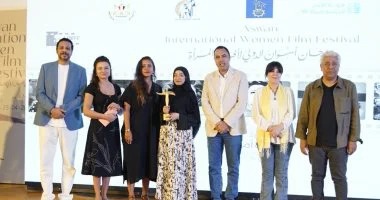
Fayoum Governor Receives Princess Lamia bint Majed Al Saud
Dr. Mohamed Hani Ghoneim, Governor of Fayoum, received Her Royal Highness Princess Lamia bint Majed Al Saud, Secretary-General of Alwaleed Philanthropies, during her visit to Fayoum Governorate. The visit took place as part of the launch of the ninth phase of the “Sotra” project, which continues the strategic cooperation between the global Alwaleed Philanthropies and Misr El Kheir Foundation. The project aims to improve housing conditions by rehabilitating, renovating, and roofing homes for the most vulnerable families, in cooperation with the Ministries of Social Solidarity, Housing, Local Development, and Environment.
The meeting was attended by Dr. Mohamed El-Touni, Deputy Governor; Eng. Amal Mobbada, Executive Director of Resource Development at Misr El Kheir Foundation; and Walid Kotb, Director of the Foundation’s Fayoum office.
Visit Details
The visit included a field tour by representatives of both foundations to inspect a number of targeted homes in Tersa village in Fayoum, in preparation for development and upgrading work. This will help improve the quality of life for eligible families. The ninth phase of the “Sotra” project includes upgrading 200 homes in the villages of Tersa, Qalamshah, Dafno, Al-Salam, Ghaidan, and Hawarat Al-Maqta in Fayoum Governorate.
Governor Ghoneim highlighted the deep relations and strong historical ties between Egypt and Saudi Arabia. He noted that the “Sotra” project, implemented in cooperation between Alwaleed Philanthropies and Misr El Kheir, is a true embodiment of sustainable development focused primarily on people. It also represents a model of integration between government executive bodies and civil society organizations in providing a decent life for citizens, especially in the most vulnerable areas, in line with the political leadership’s direction to develop rural Egypt and support civil society efforts.
He added that the project goes beyond simply restoring walls—it builds a better future for these families by providing safe and healthy housing. He affirmed the governorate’s readiness to provide all facilities and logistical support to ensure high-quality and timely implementation, praising the developmental role played by Alwaleed Philanthropies globally and Misr El Kheir locally.
Ghoneim also pointed out that Egypt is moving steadily toward improving service governance and expanding digitalization to ensure that support reaches those who deserve it and that services are delivered more efficiently. He stressed the importance of equipping youth with enlightened thinking and critical skills to confront destructive ideas, misinformation, and rumors.
Princess Lamia bint Majed Al Saud, Secretary-General of Alwaleed Philanthropies, said:
“At Alwaleed Philanthropies, we believe that adequate housing is the cornerstone of a dignified life. Through our long-standing partnership with Misr El Kheir in the ‘Sotra’ project, we work to empower the most vulnerable families to live in a safe environment that preserves their dignity and offers them a chance for a better life. This approach supports a shared vision for humanitarian work, focusing on improving quality of life and delivering meaningful development impact.”
Meanwhile, Eng. Amal Mobadda , Executive Director of Resource Development at Misr El Kheir Foundation, stated that the “Sotra” project is one of the most prominent successful development partnership models. Since its launch in 2017, it has improved housing conditions for more than 7,200 homes across various governorates, as part of a plan to develop 10,000 homes over 10 years.
She explained that the ninth phase builds on this success, targeting the rehabilitation of 600 to 700 homes across four governorates: Fayoum, Beni Suef, Minya, and Assiut—reflecting the continued expansion of the foundation’s development efforts. She noted that the partnership with Alwaleed Philanthropies represents an effective model of international cooperation in civil society work, enhancing development impact and ensuring project sustainability, especially in the housing improvement sector.
She added that conducting field visits before starting development work is essential to accurately identify the real needs of eligible families, ensuring comprehensive interventions that achieve the highest levels of quality and efficiency.
Read more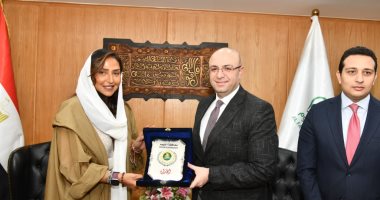
Misr El Kheir Foundation leads regional consultations to strengthen food security and reform agricultural systems in the Near East and North Africa
Misr El Kheir Foundation, a member of the National Alliance for Civil Development Work, organized— in partnership with the Food and Agriculture Organization of the United Nations—civil society consultation meetings in preparation for the 38th session of the Regional Conference for the Near East and North Africa. Around 80 civil society organizations from across the region participated, as part of efforts to support the role of civil society in shaping policies related to agricultural and food systems.
Participants—including representatives of civil society organizations, agricultural groups, cooperatives, women’s and youth organizations, as well as academic and research institutions and regional and international partners—emphasized that reforming agricultural and food systems in the region has become an urgent developmental and strategic priority. This comes amid growing challenges related to climate change, economic and water pressures, and disruptions in supply chains.
The consultations, held over two days in Cairo, addressed several key issues, including climate action and combating desertification, sustainable water resource management, irrigation governance, the vulnerability of agricultural and food systems amid prolonged crises, as well as empowering women, youth, and smallholder farmers, and strengthening agricultural value chains.
The consultations resulted in the launch of the “Cairo 38 Declaration,” which includes a set of recommendations directed at governments, the private sector, civil society, and international organizations, reflecting a comprehensive vision to enhance the sustainability of agricultural systems and achieve food security in the region.
Key recommendations:
The recommendations called on governments to develop national strategies for agricultural adaptation, establish data systems and early warning mechanisms to address desertification and climate change, and enhance the participation of local communities in managing natural resources. They also emphasized strengthening regional cooperation, providing joint financing mechanisms for the agricultural sector, investing in rural infrastructure, and reducing food loss.
The private sector was urged to expand investment in irrigation technologies and climate-smart agriculture, provide accessible agricultural financing and insurance tools for the most vulnerable groups, develop supply chains and storage systems, support small enterprises and connect them to markets, and commit to fair practices that ensure market stability.
Regarding the role of civil society, the recommendations stressed the importance of supporting food banks and community agriculture, training communities to adapt to climate change, empowering women and youth through productive projects, strengthening cooperative marketing mechanisms, and monitoring the fair distribution of resources and aid.
The recommendations also called on international organizations to direct climate financing more directly and flexibly to local communities, support regional anti-desertification projects, provide climate data and early warning systems, transfer appropriate agricultural and water technologies, and support the transition from relief efforts to long-term sustainable development.
The “Cairo 38 Declaration” reflects a growing regional consensus on the importance of empowering civil society to actively contribute to shaping agricultural and food policies, enhancing communities’ ability to address challenges and achieve sustainable food security.
This comes within the broader efforts of institutions within the National Alliance for Civil Development Work to strengthen the role of civil society, support development initiatives, and expand community participation in vital issues, contributing to achieving sustainable development goals at both regional and international levels.
Read more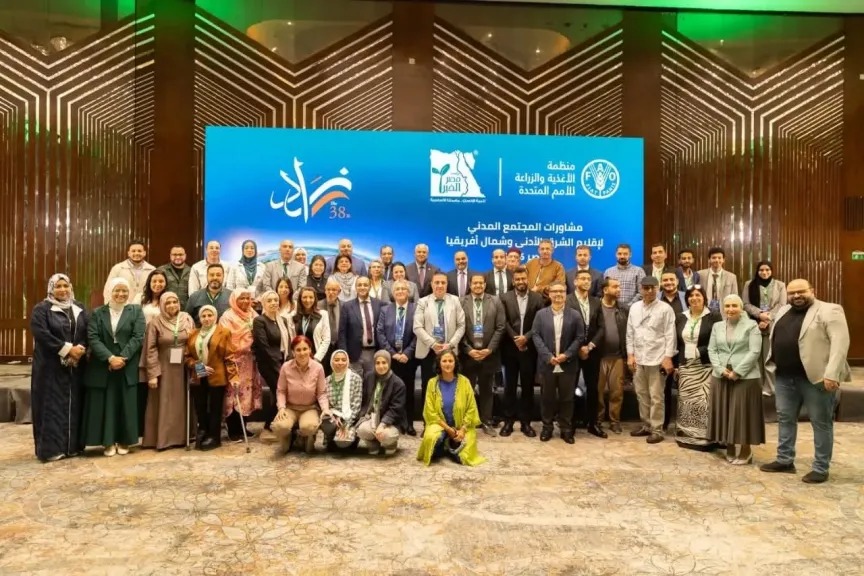
Misr El Kheir crowned as a leader in humanitarian work with a double win in Ahl El Kheir 2026 competition
In a new achievement reflecting its leading position in development and humanitarian work, Misr El Kheir Foundation won two awards in “Ahl El Kheir 2” competition organized by the Ministry of Social Solidarity, underscoring the effectiveness of its efforts and the breadth of its impact across Egypt.
The foundation secured first place in the category of “most widespread feeding points,” and also won second place in the category for providing more than one million meals, highlighting its ability to efficiently and sustainably reach the largest number of beneficiaries.
Dr. Mohamed Refai, CEO of Misr El Kheir Foundation, expressed his pride in this achievement, noting that this recognition reflects the organization’s success in fulfilling its developmental and humanitarian mission, particularly in supporting the most vulnerable groups across the country.
Refai explained that during the campaign, the foundation successfully distributed more than 6 million cooked meals, in addition to providing food aid exceeding 20,237 tons of food packages. The initiative also reached more than 7 million beneficiaries across approximately 4,000 villages, demonstrating the scale of efforts and the wide reach of its field operations.
He added that this success reflects the strength of the foundation’s institutional structure and its ability to achieve effective outreach, reaching the most vulnerable areas, including border governorates, through an integrated network of field offices and partners nationwide.
In closing, Refai expressed his gratitude and appreciation to the foundation’s partners and donors, praising their vital role in supporting its activities, expanding the base of beneficiaries, and maximizing the positive impact of the services provided.
Read more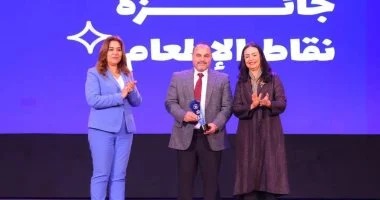
“Misr El Kheir,” FAO, and 80 civil society organizations discuss the future of food security in Near East and North Africa
Misr El Kheir Foundation, in partnership with the Food and Agriculture Organization of the United Nations (FAO), organized civil society consultation meetings in preparation for the 38th session of the Regional Conference for the Near East and North Africa. Around 80 civil society organizations from across the region participated, as part of efforts to support the role of civil society in shaping policies related to agricultural and food systems.
Dr. Mohamed Refai, CEO of Misr El Kheir Foundation, emphasized the importance of partnership with the FAO in empowering civil society to actively contribute to achieving sustainable development. He noted that the right to sustainable food is a fundamental human right.
He explained that ongoing cooperation with the international organization is based on respecting diverse perspectives during consultation meetings, helping translate outcomes into practical, actionable initiatives on the ground. He added that ensuring sustainable access to food is a cornerstone for achieving stability and peace in the region.
Refai also pointed out that these consultations serve as a unifying regional platform to strengthen the participation of civil society organizations in building a shared vision capable of addressing food security challenges, environmental sustainability, and the development of agricultural and food systems in the region.
Dr. Abdelhakim El Waer, FAO Assistant Director-General and Regional Representative for the Near East and North Africa, stated that these consultations come as part of preparations for the 38th session of the region’s Conference of Ministers of Agriculture, amid escalating challenges including climate change, water scarcity, population growth, and protracted crises.
He explained that the region faces additional challenges due to ongoing conflicts, leading to declining production and rising prices. He stressed that transforming agricultural and food systems is no longer optional but an urgent necessity, requiring effective partnerships among governments, international organizations, the private sector, and civil society.
He added that despite all these challenges, the region holds significant opportunities that can be leveraged to build more resilient agricultural systems capable of meeting the needs of current and future generations.
Dr. Mohamed Bouanani, representative of the Moroccan delegation on the conference’s steering committee, stressed the importance of these consultations in current global conditions, calling for stronger active participation as a necessity to confront challenges and support development pathways.
Dr. Mohamed Mamdouh, Head of the Civil Associations Sector at Misr El Kheir Foundation, explained that many countries in the region face increasing pressures due to climate change, land degradation, scarcity of natural resources, supply chain disruptions, and rising food insecurity.
He noted that economic crises and conflicts have further weakened food systems, making it essential to adopt an integrated approach to transition toward more sustainable and resilient systems, in line with the FAO’s strategic framework based on the “Better Four.” Strategy .
He affirmed that civil society organizations are key partners in supporting agricultural development, empowering smallholder farmers, and conveying expertise to decision-makers. He stressed that these consultations help build shared visions and practical recommendations to support the regional conference’s deliberations.
The event concluded with an emphasis on the importance of strengthening regional cooperation and building sustainable networks and partnerships among civil society organizations, to support the transition toward more inclusive, sustainable, and resilient agricultural and food systems capable of addressing future challenges.
Read more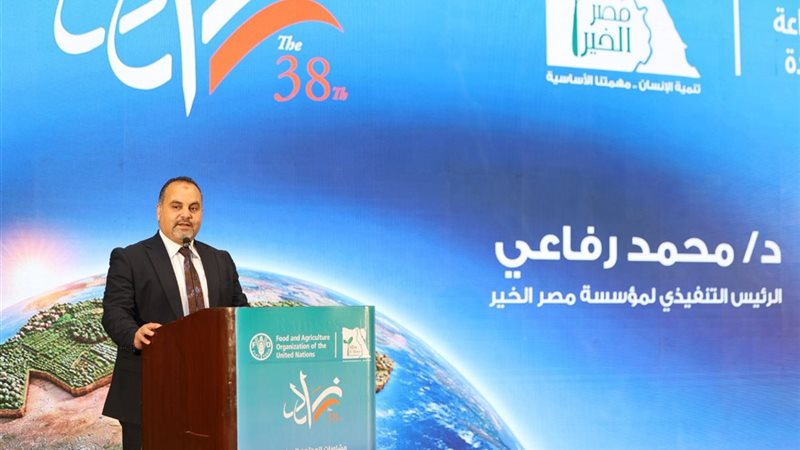
CEO of Misr El Kheir Foundation announces the launch of “Wissam El Kheir” competition in line with the state’s directions and Sustainable Development Plan Egypt 2030
Under the patronage of the League of Arab States, in cooperation with Misr El Kheir Foundation, jointly organized with the Civil Society Organizations Department at the League, the Arab Council for Social Responsibility announced “Wissam El Kheir” Ceremony Awards for initiatives and the declaration of winners and their rankings. The event toke place on Wednesday, April 15, 2026, at the League of Arab States Theater.
The competition comes within the framework of a cooperation protocol between the Arab Council for Social Responsibility and Misr El Kheir Foundation, aligned with achieving key goals centered on human development, as well as discovering and nurturing talent in the field of initiatives through five competitive categories. A total of 15 participants won gold, silver, and bronze medals. The third edition of “Wissam El Kheir for Initiatives” competition included the following fields:
- Community and volunteer initiatives
- Scientific and technological initiatives
- Cultural and artistic initiatives
- Initiatives supporting the development of persons with disabilities
- Initiatives in the fields of environment and renewable and sustainable energy
, H.E. Minister Plenipotentiary Nawal Barada, Director of the Civil Society Organizations Department at the League of Arab States, affirmed that the League keeps pace with the achievements of civil society organizations and the innovative initiatives they present within an integrated cooperative system. This reflects the spirit of shared responsibility among all parties to fulfill the aspirations of Arab peoples for progress, helping bridge the gap between the public and private sectors. She added that the General Secretariat sponsors and hosts many events addressing its activities and its relationship with civil society institutions, focusing on priority issues of joint Arab action, including encouraging volunteer work.
Professor Dr. Randa Rizk, Secretary-General of the Arab Council for Social Responsibility and Sustainable Development, emphasized that one of the main objectives of the award is to identify individuals with achievements and initiatives in cultural, artistic, scientific, technological, and volunteer fields, enhance their role in community development, and build bridges for communication, dialogue, and creativity.
Dr. Mohamed Refai, CEO of Misr El Kheir Foundation, stated that the launch of “Wissam El Kheir” competition in cooperation with the Arab Council for Social Responsibility aligns with the state’s direction and its strong commitment to the Sustainable Development Plan Egypt 2030.
Dr. Amal Soliman, Advisor to the Quality of Life Sector at Misr El Kheir Foundation, explained that “Wissam El Kheir for Initiatives” award is granted to winners with cultural and artistic initiatives, scientific and technological innovations, and community volunteer initiatives that benefit society and are feasible for implementation.
Read more
Misr El Kheir Launches “Kheirak shethom” Card to Provide Medications for Those in Need
Misr El Kheir Foundation, a member of the National Alliance for Civil Development Work, has launched a new “treatment card” that enables eligible beneficiaries to obtain medications from a wide network of contracted pharmacies, under the slogan “Kheirak shethom” The launch event was attended by Dr. Hossam Mowafi, Professor of Critical Care at Kasr Al-Ainy Faculty of Medicine.
The foundation has made it possible to donate to the “Kheirak shethom” through its retail outlets as a first phase, with plans to activate the service across all electronic payment methods in the next phase. Donors can purchase the card and give it to anyone in need, allowing them to obtain medications up to the card’s value from major partner pharmacy branches. The card is available in two segments : 500 EGP and 1,000 EGP.
Dr. Hossam Mowafi described the card as a major qualitative leap and a historic service in providing medications to Egyptians, confirming that it will help treat millions of beneficiaries by ensuring immediate access to needed medicines. He added: “I consider this card a good deed with sincere intent, and I hope this initiative succeeds and achieves a great impact.”
Dr. Mohamed Refai, CEO of Misr El Kheir Foundation, stated that the card is built on a smart and user-friendly system, covering the entire process from donation to delivery to the beneficiary and medication dispensing. He noted that the donation service has initially been launched through the foundation’s outlets.
Dr. Refai explained that once a donor purchases the card, they receive a text message containing the card number, which is used to obtain medications. One of the key advantages of the card is that it allows access to all types of medications, whether locally produced or imported. He added that if the value of dispensed medications is less than the total card value, the remaining balance is retained and used for beneficiaries of the monthly treatment program.
Dr. Afaf El-Gohary, Head of the Health Sector at Misr El Kheir Foundation, stated that the card is offered in two categories (500 EGP and 1,000 EGP) to provide flexibility for donors. She highlighted the ease of delivering the card to any beneficiary anywhere simply by sending them the card number, which they can present at a pharmacy to receive medication instantly.
She added that the card is valid for 90 days from the date of issuance, emphasizing that this initiative represents an inspiring model of the role of civil society in supporting the healthcare sector. It contributes to achieving a comprehensive vision of social protection that guarantees the right to treatment and reduces the financial burden on underprivileged patients.
Read more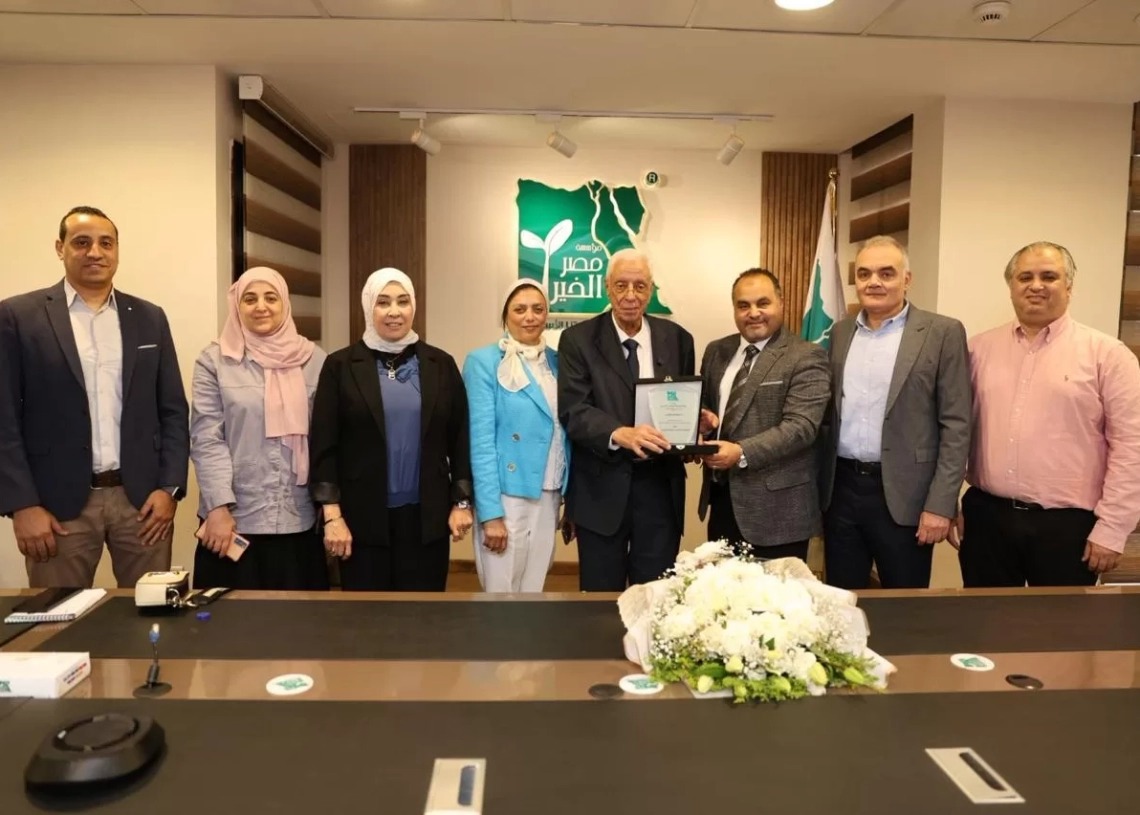



.png)
.png)
.png)
.png)
